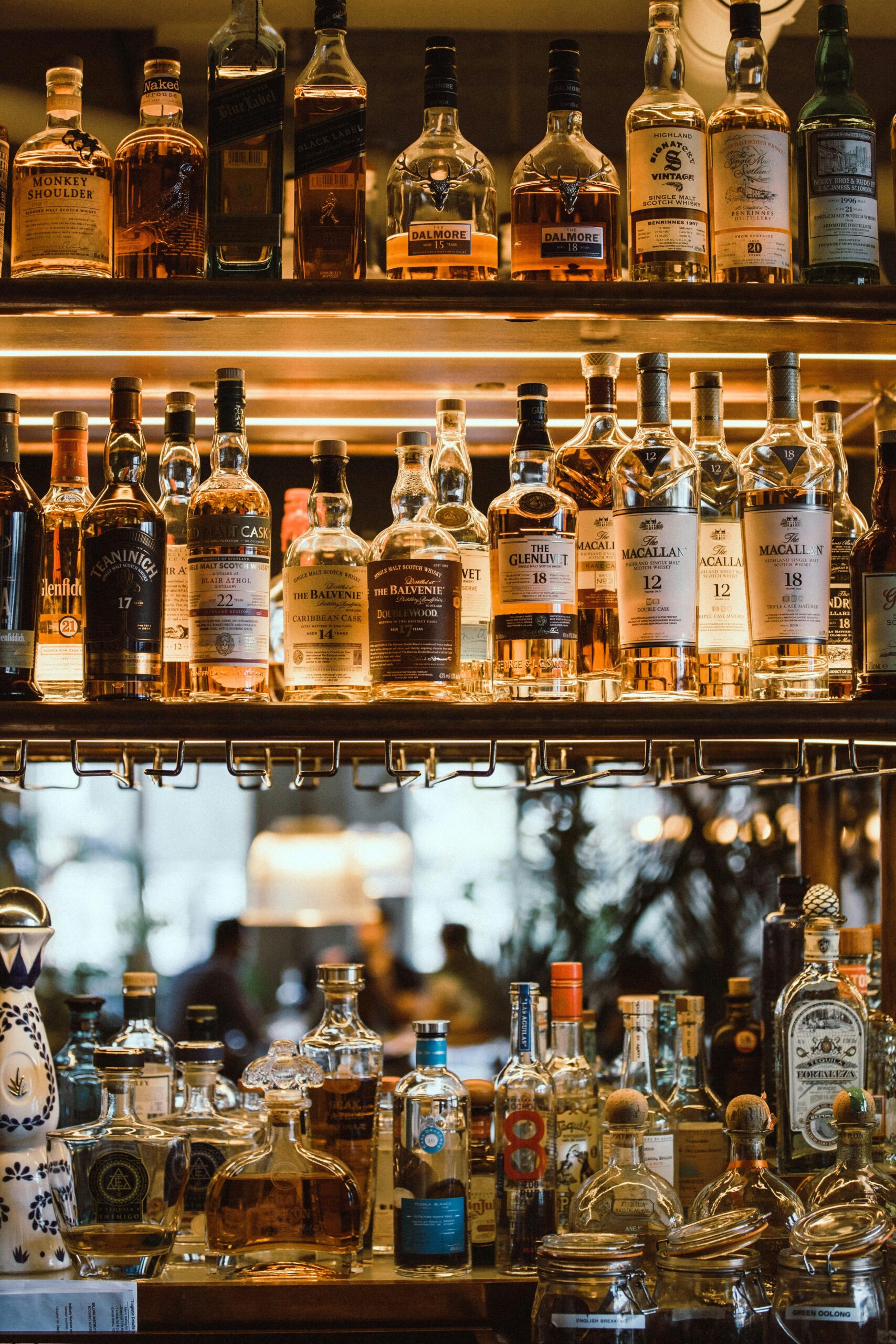
In the sophisticated salons of Paris, where appreciation for fine spirits runs as deep as the Seine, whisky has found its place among the most revered libations. This amber-hued spirit, with its complex symphony of flavors and centuries-old traditions, represents more than mere refreshment—it embodies the convergence of artisanal craftsmanship, cultural heritage, and modern refinement that defines contemporary luxury lifestyle.
From the smoky distilleries of Scotland’s remote islands to the elegant tasting rooms of Tokyo’s most exclusive establishments, whisky culture transcends geographical boundaries while maintaining its distinct regional character. For the discerning individual seeking to understand this remarkable spirit, whisky offers an intellectual and sensory journey that rewards patience, curiosity, and an appreciation for the finer things in life.
The Historical Tapestry of Whisky
The story of whisky begins in the mist-covered monasteries of medieval Ireland and Scotland, where monks as early as the 15th century distilled grain-based spirits for medicinal and ceremonial purposes. The very etymology of whisky—derived from the Gaelic “uisge beatha,” meaning “water of life”—reveals the reverence these early distillers held for their craft.
This ancient art evolved through centuries of refinement, with each generation of distillers adding their own innovations while preserving essential techniques. In Scotland, the harsh Highland climate and abundant peat bogs created conditions that would define whisky’s most distinctive characteristics. The Irish, meanwhile, developed their own traditions, pioneering the triple-distillation method that produces their signature smooth, approachable spirits.
The global expansion of whisky culture accelerated during the 19th century, when Scottish and Irish immigrants carried their distillation knowledge to North America. There, abundant corn and rye, combined with the distinctive climate of Kentucky and Tennessee, gave birth to bourbon and American rye whiskey. These spirits, aged in charred new oak barrels, developed the rich vanilla and caramel notes that distinguish American whiskey from its European counterparts.
Perhaps most remarkable is whisky’s relatively recent conquest of Asia, particularly Japan. Beginning in the 1920s, Japanese distillers studied Scottish methods with characteristic precision, then adapted them to local conditions and sensibilities. The result has been a whisky tradition that honors its Scottish inspiration while achieving distinctly Japanese refinement and balance. Japan has recently strengthened regulations to define authentic Japanese whisky production, ensuring clarity for global consumers following concerns about blending practices in earlier bottlings.
A World of Whisky Regions
Understanding whisky requires an appreciation of terroir—the unique combination of climate, water, soil, and tradition that defines each region’s character. These geographical distinctions create a rich tapestry of flavors and styles that can occupy a lifetime of exploration.
Scotland remains whisky’s spiritual homeland, with five distinct regions producing dramatically different expressions. Speyside, with its gentle climate and abundant pure water, creates elegant, honeyed whiskies often described as the most approachable. Islay, the windswept island off Scotland’s west coast, produces intensely peated whiskies that capture the essence of sea spray and peat smoke. The Highlands encompass the largest and most diverse region, producing everything from light, floral drams to rich, sherried expressions. The Lowlands offer gentle, grassy whiskies perfect for newcomers, while Campbeltown, once home to over 30 distilleries, now hosts just three, preserving its maritime-influenced heritage.
Ireland continues its tradition of smooth, often triple-distilled whiskeys that emphasize drinkability and approachability. Irish whiskey’s recent renaissance has seen historic brands revitalized and new distilleries opening, bringing fresh perspectives to ancient methods.
The United States offers remarkable diversity through bourbon, Tennessee whiskey, and rye. Bourbon, with its minimum 51% corn content and new charred oak aging, produces rich, sweet spirits with distinctive vanilla and caramel notes. Tennessee whiskey adds the Lincoln County Process—charcoal mellowing before barrel aging, legally required for Tennessee whiskey—for additional smoothness. American rye, experiencing a renaissance, provides spicy, peppery alternatives that showcase this grain’s distinctive character.
Japan has emerged as a whisky powerhouse, with distilleries like Yamazaki, Nikka, and Hakushu producing award-winning expressions that command respect worldwide. Japanese whisky emphasizes subtlety, balance, and harmony—principles that reflect broader Japanese aesthetic values.
Canada offers smooth, often rye-heavy blends that have found particular favor in cocktail culture. Canadian whisky’s approachable character makes it versatile for both neat sipping and mixed drinks.
Emerging regions including India, Taiwan, Australia, and Sweden now produce world-class whiskies, proving that excellence in whisky-making transcends traditional boundaries.
The Artisanal Process: From Grain to Glass

Whisky production represents one of humanity’s most refined examples of agricultural transformation. Each step in the process—from malting through bottling—influences the final product’s character, making whisky creation a perfect synthesis of art and science.
Malting begins the transformation of raw grain into fermentable sugars. Barley is soaked in water, allowing germination to begin, then dried to halt the process. In Scotland, traditional floor malting involves spreading barley on stone floors and turning it by hand with wooden tools called shiels. The drying process may involve peat fires, imparting the smoky character essential to many Scottish whiskies.
Mashing combines the malted grain with warm water in large vessels called mash tuns. The temperature and duration of this process affect sugar extraction, influencing the whisky’s eventual body and flavor complexity. The resulting liquid, called wort, contains the sugars necessary for fermentation.
Fermentation transforms sugars into alcohol through the action of yeast. This process, typically lasting 48-72 hours, occurs in wooden or stainless steel vessels called washbacks. The choice of yeast strain and fermentation conditions significantly influence the whisky’s final flavor profile, creating various esters and congeners that contribute to complexity.
Distillation separates alcohol from water and other components through careful heating and condensation. Scottish single malts traditionally use copper pot stills, whose size and shape dramatically influence the spirit’s character. Tall, narrow stills produce lighter spirits, while shorter, wider stills create fuller, more robust flavors. American whiskeys often employ column stills, which allow for continuous distillation and greater efficiency.
Maturation transforms raw spirit into whisky through years of interaction with oak casks. The wood imparts color, flavor, and character while allowing gentle oxidation that mellows harsh edges. Climate plays a crucial role—hot, humid conditions accelerate aging, while cool, damp environments promote slow, gentle maturation. The type of oak, previous cask contents, and char level all influence the final product.
Bottling concludes the process, often involving dilution to desired strength and filtration to remove particles. Some premium whiskies are bottled at cask strength, offering enthusiasts the full intensity of the aged spirit.
Understanding Whisky’s Flavor Spectrum

Whisky’s flavor complexity rivals that of fine wine, with hundreds of identifiable compounds contributing to its character. Understanding these flavors enhances appreciation and helps navigate the vast world of whisky options.
Peat and smoke represent perhaps whisky’s most distinctive flavors, created when malted barley is dried over peat fires. Peat—partially decomposed organic matter—varies in character depending on its composition and age. Islay peat, rich in seaweed and salt, creates maritime smokiness, while Highland peat produces earthier, more medicinal notes.
Sweetness in whisky comes primarily from oak interaction, creating notes of vanilla, caramel, honey, and butterscotch. American oak, with its higher vanillin content, produces more pronounced sweet flavors than European oak. Sherry casks add dried fruit sweetness, while port casks contribute berry-like notes.
Spice can originate from grain choice, yeast selection, or cask type. Rye grain produces peppery, spicy notes, while certain oak types contribute cinnamon, clove, and nutmeg flavors. New oak barrels provide more intense spice than used cooperage.
Fruit flavors develop through fermentation and aging, creating notes ranging from fresh citrus and green apple to rich raisins and tropical fruits. The interaction between esters formed during fermentation and compounds extracted from wood creates these complex fruit characters.
Wood and earth notes reflect the whisky’s time in oak, producing flavors like toasted nuts, leather, tobacco, and forest floor. These tertiary flavors often develop after extended aging, adding depth and complexity to mature whiskies.
Decoding Labels and Terminology
Whisky labels contain valuable information that helps consumers make informed choices. Understanding this terminology enhances both purchasing decisions and tasting experiences.
Age statements indicate the minimum time the youngest whisky in the bottle has spent maturing. A 12-year-old whisky may contain older spirits, but none younger than 12 years. Age doesn’t necessarily indicate quality—some younger whiskies offer exceptional value and character.
Alcohol by volume (ABV) measures strength, typically 40% ABV or higher, with cask strength bottlings reaching 55–65% or more. Higher-proof whiskies offer more intense flavors but may require dilution for optimal enjoyment. Cask strength whiskies, bottled without dilution, provide the full aging experience.
Single cask bottlings come from one barrel, offering unique character that cannot be replicated. These limited releases often appeal to collectors and enthusiasts seeking distinctive expressions.
Non-chill filtered whiskies retain natural oils and compounds that might otherwise be removed for cosmetic reasons. These oils contribute to mouthfeel and flavor intensity, particularly at higher proofs.
Finish refers to additional maturation in different cask types, such as sherry, port, or rum barrels. These finishing techniques add complexity and create unique flavor profiles.
The Art of Proper Tasting
Whisky rewards thoughtful, methodical tasting that reveals its full complexity. Proper technique enhances appreciation and helps develop palate sensitivity.
Glassware significantly impacts the tasting experience. Tulip-shaped glasses concentrate aromas, while wide-bowled glasses allow for better aeration. The traditional Glencairn glass, with its tapered rim and broad base, offers an excellent compromise for serious tasting.
Visual examination begins the tasting process. Color provides clues about cask type and aging—pale gold suggests minimal oak influence, while deep amber indicates extensive maturation or sherry cask influence. Viscosity, observed by swirling the glass, hints at alcohol content and body.
Nosing may be whisky’s most important aspect. Gentle swirling releases aromatic compounds, while keeping the nose slightly back prevents alcohol burn. Multiple nosings often reveal different aromatic layers as the whisky opens in the glass.
Tasting involves taking small sips and allowing the whisky to coat the palate. Different areas of the tongue perceive different flavors—sweetness at the tip, bitterness at the back, acidity at the sides. Chewing or aerating the whisky in the mouth can reveal additional flavors.
The finish describes flavors that persist after swallowing. Long, complex finishes indicate quality and aging, while short, simple finishes may suggest younger or less complex whiskies.
Adding water, typically just a few drops, can open up aromatics and reveal hidden flavors, particularly in higher-proof whiskies. Ice, while controversial among purists, can make certain whiskies more approachable, though it may mute delicate flavors.
Whisky as Investment and Collectible
The whisky market has evolved beyond consumption to encompass serious collecting and investment. Rare bottles, particularly from closed distilleries or limited releases, can appreciate significantly over time.
Collectible categories include vintage bottlings, closed distillery expressions, limited editions, and bottles with historical significance. Japanese whiskies, in particular, have seen dramatic price appreciation as global demand has outstripped supply. Recent shortages have led to more no-age-statement releases, requiring collectors to study bottlings carefully.
Proper storage is crucial for maintaining value. Bottles should be kept upright in cool, dark conditions with stable temperatures. Unlike wine, whisky doesn’t improve after bottling, but proper storage prevents deterioration.
Authentication becomes increasingly important as values rise. Reputable auction houses and dealers provide provenance verification, while collectors should learn to identify counterfeit bottles in the growing secondary market.
Investment considerations include rarity, condition, provenance, and market trends. However, the most successful collectors are those who combine financial acumen with genuine appreciation for the spirit itself.
The Culture of Whisky Appreciation
Modern whisky culture extends far beyond the liquid itself, encompassing lifestyle, social connection, and cultural expression. In cities like Paris, whisky bars have become gathering places for professionals and enthusiasts who appreciate the spirit’s complexity and heritage.
Whisky societies and clubs provide communities for sharing knowledge, accessing rare bottlings, and participating in tastings. These organizations often offer educational programs that deepen understanding of production methods, regional characteristics, and tasting techniques.
Distillery visits offer immersive experiences that connect enthusiasts with whisky’s origins. Many distilleries now offer sophisticated visitor experiences, including private tastings, master classes, and behind-the-scenes tours that reveal the artistry behind their products.
Whisky and food pairing has evolved into a sophisticated culinary art. Dark chocolate, aged cheeses, cured meats, and even certain seafood can complement whisky’s flavors. The key lies in matching intensity levels and finding harmonious or contrasting flavor combinations.
The Future of Whisky
Contemporary whisky culture continues evolving, driven by innovation while respecting tradition. Craft distillers experiment with new grains, exotic cask finishes, and sustainable practices. Transparency in production methods and ingredient sourcing reflects modern consumer values.
Demographic shifts are reshaping whisky consumption. Younger consumers discover whisky through cocktails and educational experiences, while women increasingly participate as both consumers and industry professionals. This diversification brings fresh perspectives to whisky appreciation.
Sustainability initiatives address environmental concerns through renewable energy use, water conservation, and responsible sourcing. Some distilleries now achieve carbon neutrality, while others explore innovative packaging solutions.
Technology integration enhances both production and consumer experience. Precision fermentation control, advanced maturation monitoring, and digital platforms for education and community building represent whisky’s technological evolution.
Conclusion
Whisky represents one of humanity’s most sophisticated achievements in fermentation and distillation. Its journey from medieval monastery to modern luxury lifestyle reflects our continuous pursuit of excellence and appreciation for craftsmanship. For the discerning individual, whisky offers not merely a beverage but a gateway to understanding history, culture, and the artistry that transforms simple grains into liquid poetry.
Whether you approach whisky as a collector, investor, or simply someone who appreciates life’s finer pleasures, this remarkable spirit rewards patience, curiosity, and respect for tradition. In a world increasingly characterized by speed and convenience, whisky invites us to slow down, savor complexity, and connect with centuries of human ingenuity.
As you embark on or continue your whisky journey, remember that the greatest pleasure lies not in achieving expertise but in maintaining wonder at the alchemy that transforms grain, water, and time into something truly extraordinary. In every glass lies a story—of place, of people, of passion—waiting to be discovered and shared.