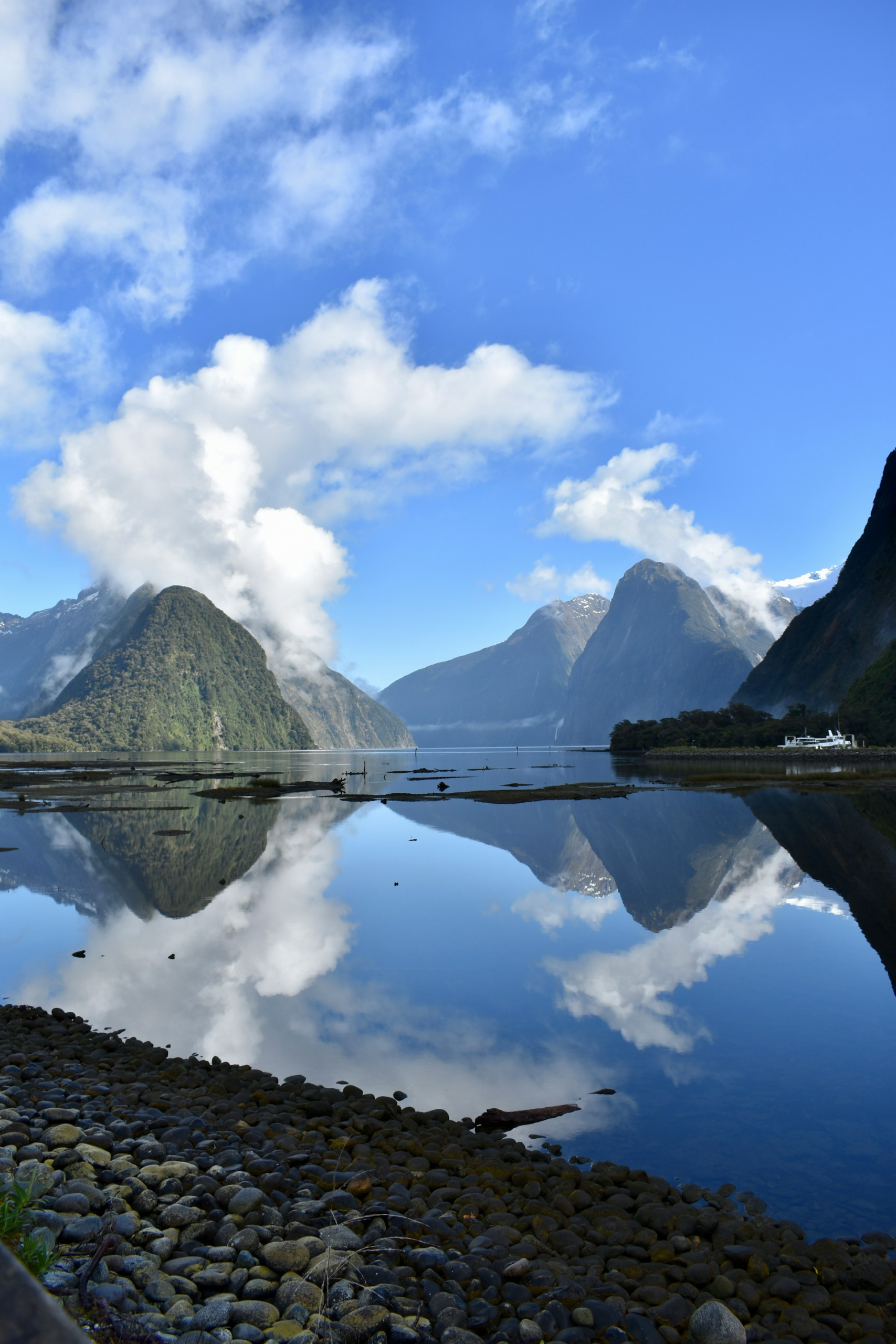
In the remote depths of New Zealand’s South Island, where ancient rainforests meet towering granite peaks and glacial valleys carve through primordial landscapes, lies the Milford Track – New Zealand’s most iconic multiday hike. The Milford Track New Zealand represents more than a mere walk through spectacular scenery; it offers a profound encounter with one of Earth’s last truly pristine wildernesses. This legendary 33-mile (53.5-kilometer) journey through Fiordland National Park has earned its reputation as one of the world’s finest walks, not through marketing hyperbole, but through the transformative experience it provides to those fortunate enough to traverse its carefully protected path.
The Essence of Fiordland’s Crown Jewel
Nestled within Fiordland National Park, a UNESCO World Heritage Site spanning more than 1.2 million hectares (3 million acres) of untouched wilderness, the Milford Track follows an ancient route once used by early Māori explorers and later by European settlers seeking access to the remote fiords. This storied path connects the head of Lake Te Anau to the iconic Milford Sound, threading through landscapes that seem sculpted by the gods themselves.
What distinguishes the Milford Track from countless other hiking destinations is its remarkable preservation of solitude and natural integrity. Since its establishment in the late 1800s, New Zealand’s Department of Conservation has maintained strict limits on access, permitting only 40 independent walkers to begin the journey each day during the official season. An additional 40 spaces are reserved for guided hikers, ensuring that this extraordinary wilderness never feels crowded or commercialized.
This carefully managed approach creates an increasingly rare commodity in our interconnected world: genuine solitude in landscapes of overwhelming beauty. The result is a hiking experience that feels both intimate and epic, where the thunderous roar of waterfalls mingles with profound silence, and where each step reveals new perspectives on mountains that have witnessed millennia of geological drama.
Understanding the Terrain and Climate
Fiordland’s position in the path of the Roaring Forties creates one of the world’s wettest climates, with annual rainfall exceeding 280 inches (7,000mm) in some areas. Rather than being a deterrent, this precipitation is integral to the track’s magic. Rain transforms the landscape into a living cathedral, feeding countless waterfalls that cascade from hidden alpine lakes and saturating the ancient forests with an almost supernatural vibrancy.
The track’s geology tells a story spanning millions of years. Granite peaks thrust skyward over 6,000 feet (1,800 meters), their sheer faces carved by glacial action that ceased only 10,000 years ago. These ice rivers left behind the characteristic U-shaped valleys that define Fiordland’s dramatic topography, creating hanging valleys where waterfalls plunge into space and alpine lakes reflect towering mountains in mirror-perfect surfaces.
The vegetation zones change dramatically with elevation and exposure. Lowland areas feature dense beech forests dominated by red beech, silver beech, and mountain beech trees, their canopies creating a green cathedral where filtered sunlight illuminates countless species of ferns, mosses, and fungi. Higher elevations transition to alpine shrublands and tussock grasslands, where hardy plants have adapted to extreme weather conditions and shorter growing seasons.
The Booking Process and Practical Considerations
Securing a place on the Milford Track requires advance planning and quick reflexes. The Department of Conservation releases bookings for the following season each July, and popular dates often sell out within hours. The official hiking season runs from late October through late April, coinciding with New Zealand’s summer and autumn when weather conditions are most favorable and avalanche risks are minimal.
Independent hikers must book accommodation in three Department of Conservation huts: Clinton Hut, Mintaro Hut, and Dumpling Hut. These well-maintained facilities provide bunks with mattresses, gas cooking facilities, running water, and basic toilet facilities. Camping is prohibited throughout the track, a policy that helps preserve the fragile ecosystem while ensuring hikers have adequate shelter in this notoriously wet climate.
The track’s remote location necessitates boat transport at both ends. Your journey begins with a scenic boat ride from Te Anau Downs across Lake Te Anau to Glade Wharf, where the trail proper commences. At the journey’s end, another boat transfers you from Sandfly Point to Milford Sound, providing a fitting conclusion as you witness the dramatic fiord that has been your destination throughout the hike.
For those preferring a more luxurious wilderness experience, several operators offer fully guided walks with stays in private lodges that transform the Milford Track from a rugged adventure into a comfortable journey through pristine landscapes. These upscale alternatives feature hot showers, comfortable beds with quality linens, gourmet meals prepared by skilled chefs, and wine service that elevates each evening into a celebration of the day’s achievements.
The guided lodge experience operates on a different schedule from independent hikers, often completing the journey in three days rather than four, with longer daily walks but more comfortable recuperation each evening. Ultimate Hikes, the primary operator, maintains three private lodges along the route: Glade House, Pompolona Lodge, and Milford Lodge. Each facility offers heated accommodations, drying rooms for wet gear, and communal spaces designed for relaxation and socializing with fellow travelers.
This premium option appeals particularly to travelers who wish to experience the Milford Track’s natural splendor without sacrificing comfort, those with limited camping experience, or visitors who prefer professional interpretation of the landscape’s natural and cultural history. While significantly more expensive than the independent hut option, the guided experience eliminates logistical concerns, provides expert knowledge, and ensures a level of comfort that allows complete focus on the surrounding wilderness.
Daily Progression Through Paradise
Day One: Te Anau Downs to Clinton Hut (3 miles/5 kilometers)
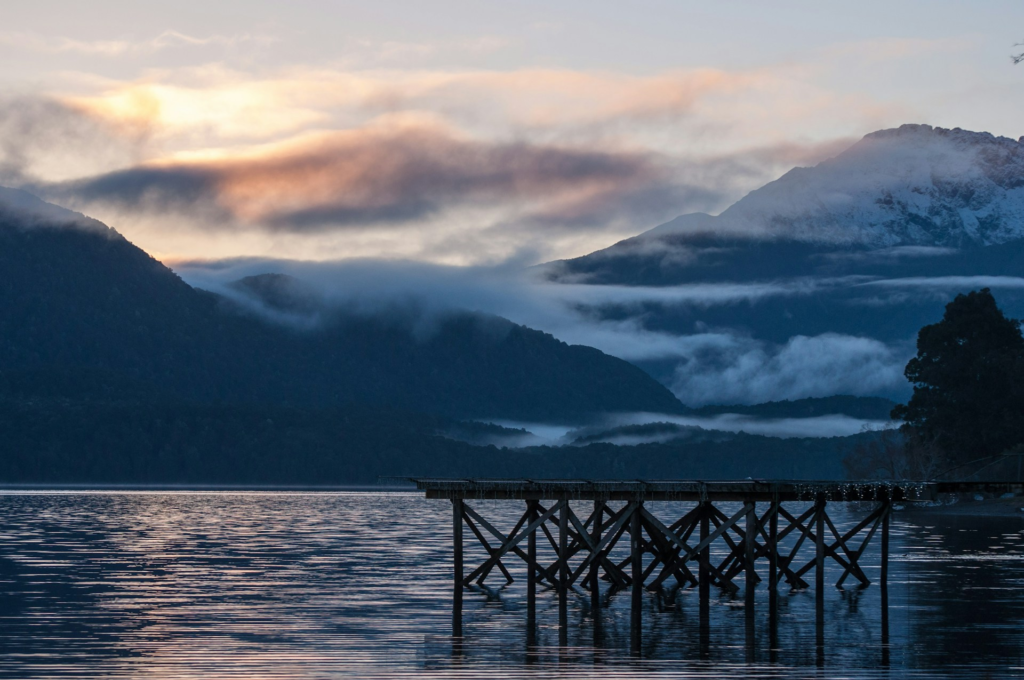
The adventure begins with anticipation as your boat cuts across Lake Te Anau’s pristine waters, mountains rising from the shoreline like ancient sentinels. Arriving at Glade Wharf, you enter a world where human presence feels temporary and nature reigns supreme. The first day’s walk is deliberately gentle, allowing your body to adjust to the pack weight and your mind to transition from civilization’s demands to wilderness rhythms.
The trail meanders through lowland beech forest alongside the Clinton River, whose crystal-clear waters reflect the surrounding mountains and sky. This relatively easy 3-mile walk takes most hikers two to three hours, leaving ample time for afternoon exploration or simply absorbing the profound silence that characterizes this protected wilderness.
Clinton Hut sits in a broad valley surrounded by mountains that seem to rise directly from the forest floor. Evening hours offer opportunities for short walks along the riverbank, refreshing swims in the surprisingly temperate water, or informative talks by Department of Conservation rangers who share insights into the region’s ecology and conservation efforts.
Day Two: Clinton Hut to Mintaro Hut (10.5 miles/16.5 kilometers)

The second day presents the track’s most gradual yet sustained ascent as you follow the Clinton River deeper into the mountains. The valley narrows progressively, its walls rising higher with each step until you’re walking through a granite canyon where waterfalls appear at every turn. This 10.5-mile journey typically requires six to eight hours, depending on your pace and the frequency of photo stops.
The trail passes a haunting lake informally known as “Dead Lake” for its still surface and standing dead trees, remnants of an ancient forest. Further along, you’ll encounter numerous hanging valleys carved by tributary glaciers, each containing waterfalls that plunge hundreds of feet from invisible alpine lakes.
Mintaro Hut sits at the valley’s head, surrounded by peaks that seem to scrape the sky. The hut’s location provides excellent views of the surrounding mountains while offering shelter from the wind that often funnels through the high country. Evening light on the granite walls creates a spectacular display of colors, from gold to deep purple, as shadows lengthen across the valley floor.
Day Three: Mintaro Hut to Dumpling Hut (8.5 miles/14 kilometers)

The third day presents the greatest physical challenge of Milford Track New Zealand, and the most spectacular rewards. Your route climbs steadily through a series of switchbacks toward Mackinnon Pass, elevation 3,786 feet (1,154 meters), the journey’s highest point. This ascent, while demanding, reveals increasingly dramatic views of the Clinton Valley and surrounding peaks.
Mackinnon Pass offers panoramic views that encompass both the Clinton and Arthur Valleys, a perspective that provides context for the previous two days’ journey while previewing the dramatic descent ahead. The pass features a well-built shelter, basic toilet facilities, and interpretive displays explaining the geological forces that shaped this remarkable landscape.
The descent toward Dumpling Hut is steep and requires careful foot placement, particularly in wet conditions. The trail passes the Roaring Burn and Anderson Cascades before reaching the turnoff to Sutherland Falls, one of the world’s tallest waterfalls at 1,904 feet (580 meters). The 90-minute side trip to Sutherland Falls, one of the tallest waterfalls in New Zealand and among the highest in the world at 580 meters (1,904 feet), is optional but highly recommended, offering close encounters with the raw power of water falling from impossible heights.
Dumpling Hut provides welcome respite after the day’s exertions, situated in a forest clearing where the sound of nearby waterfalls creates a natural soundtrack for evening relaxation.
Day Four: Dumpling Hut to Sandfly Point (11 miles/18 kilometers)

The final day follows the Arthur River through lush lowland rainforest, a complete contrast to the previous day’s alpine drama. This 11-mile walk typically requires five to seven hours, though many hikers find themselves reluctant to rush through forests that seem untouched by time.
The trail passes numerous waterfalls, suspension bridges, and the dramatic Mackay Falls, where the Arthur River plunges over a granite cliff in a display of raw natural power. As you approach Sandfly Point, the track becomes busier with guided groups converging from their private lodges, creating a sense of approaching civilization after days of solitude.
Sandfly Point marks the journey’s end, though the eponymous sandflies provide a less-than-romantic finale. The boat ride to Milford Sound is brief but symbolic, delivering you to one of the world’s most photographed landscapes where Mitre Peak rises dramatically to 1,695 meters (5,560 feet), towering above the dark waters of the fiord.
Wildlife Encounters and Natural Wonders
The Milford Track provides exceptional opportunities for wildlife observation, particularly for bird enthusiasts. The forest rings with the melodic calls of bellbirds and tuis, while the distinctive fan-shaped tail of the fantail catches the eye as these acrobatic birds hunt insects around hikers. The tiny rifleman, one of New Zealand’s oldest bird species, can be spotted in the beech forests, while the cheeky kea parrot may appear at higher elevations, displaying the intelligence and curiosity that has made it both beloved and occasionally problematic for hikers.
The track’s isolation has helped preserve populations of rare native species while providing refuge from introduced predators that threaten New Zealand’s unique fauna. Ongoing conservation efforts, including extensive trapping programs and predator-free zones, aim to restore the natural balance that existed before human settlement.
Essential Preparation and Equipment
Success on the Milford Track depends heavily on proper preparation and equipment selection. Weather conditions can change rapidly, with temperatures ranging from near-freezing at high elevations to surprisingly warm in the valleys. Rain gear is absolutely essential, not just for comfort but for safety. A high-quality waterproof jacket and pants, preferably with breathable membranes, will prove invaluable during the inevitable precipitation.
Footwear deserves special attention. Lightweight hiking boots with good ankle support and proven waterproofing will serve you well on the varied terrain. Ensure boots are thoroughly broken in before attempting the track to avoid blisters that can ruin the experience.
A reliable three-season sleeping bag is necessary for the unheated huts, while merino wool base layers provide excellent temperature regulation and odor control during the four-day journey. Pack weight is crucial, as you’ll carry everything for the duration. Choose lightweight, high-quality gear and avoid unnecessary items.
Conservation and Responsible Travel
The Milford Track exists in its current pristine state because of careful management and the responsible behavior of visitors. Every hiker bears responsibility for preserving this wilderness for future generations. The Leave No Trace principles are not suggestions but essential requirements for maintaining the track’s ecological integrity.
All waste must be carried out, fires are prohibited, and hikers must use designated toilet facilities at huts and shelters. The temptation to stray from marked trails must be resisted, as the surrounding vegetation is extremely fragile and slow to recover from damage.
Extending Your Fiordland Experience
Many visitors find that four days barely scratches the surface of what Fiordland offers. Milford Sound provides numerous opportunities for extended exploration, from scenic flights over the fiord to overnight cruises that reveal the area’s wildlife and geological wonders. The nearby Routeburn and Kepler Tracks offer different perspectives on this remarkable region, while Te Anau serves as an excellent base for exploring the broader area.
A Journey of Personal Transformation
The Milford Track’s true gift lies not in its spectacular scenery alone, but in its ability to shift perspective and create lasting memories. The rhythm of walking, the gradual revelation of landscapes, and the profound silence of genuine wilderness combine to create an experience that resonates long after the final step. It’s a journey that reminds us of our place in the natural world and the importance of preserving these increasingly rare sanctuaries.
In our hyperconnected age, the Milford Track New Zealand offers something precious: the opportunity to disconnect from digital distractions and reconnect with fundamental rhythms of walking, breathing, and simply being present in landscapes of extraordinary beauty. It’s a privilege that comes with responsibility, a reminder that some of Earth’s most precious places can only be preserved through careful stewardship and respect for the natural world that sustains us all.