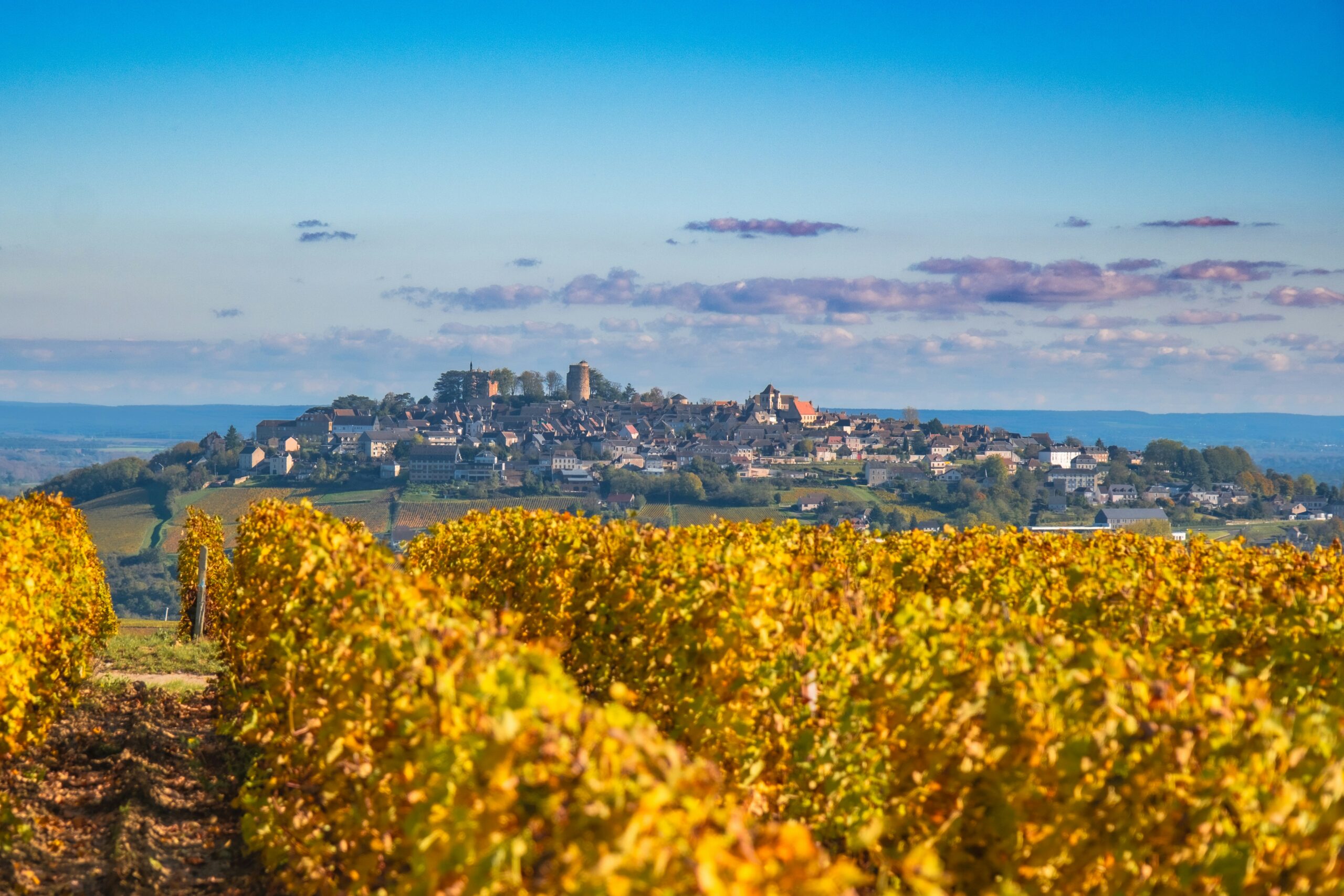
The Loire Valley earns its reputation as the Garden of France through more than poetic license. Stretching from the Atlantic coast to the hills of Sancerre, this landscape weaves together vineyards, orchards, and Renaissance castles along riverbanks that have shaped French culture for centuries. While travelers come for the history and beauty, wine enthusiasts discover something equally compelling: Loire wines represent one of France’s most diverse and rewarding expressions of terroir.
Why did I choose to stay in the Loire for a month? For the wine, the cheese, the bread, the châteaux – and la vie française.
A River That Shapes Many Wines
The Loire’s vinous identity unfolds naturally by following the river’s course. Near Nantes, where Atlantic breezes meet the continental climate, Muscadet captures the essence of its maritime location. These crisp, saline whites, often aged sur lie to develop subtle texture, deliver what might be called the taste of the sea in liquid form.
Moving eastward into Anjou and Saumur, Chenin Blanc reveals its extraordinary range. This chameleon grape produces the sparkling elegance of Crémant de Loire, the structured minerality of Savennières dry whites, and the honeyed richness of Coteaux du Layon dessert wines. Meanwhile, Saumur’s limestone-rich soils nurture some of the valley’s most refined Cabernet Francs.
Touraine broadens the spectrum further. Here, Vouvray demonstrates Chenin Blanc’s full versatility, from bone-dry expressions to age-worthy honeyed wines that develop complexity over decades. Chinon and Bourgueil showcase Cabernet Franc at its most aromatic, producing supple, perfumed reds that balance immediate charm with genuine depth.
The journey concludes in the Centre-Loire, where Sauvignon Blanc achieves crystalline purity in Sancerre and Pouilly-Fumé. These benchmark wines marry bright citrus notes with the distinctive flinty minerality that has made them global reference points. Here too, Pinot Noir yields graceful reds and delicate rosés that echo the same refined sensibility.
Few wine regions anywhere can match this spectrum of styles and quality. Loire wines succeed not through singular focus but through the richness of variety, united by freshness, balance, and an unmistakable sense of place.
Grapes of International Distinction
Three varieties establish the Loire’s international reputation and define its character.
Chenin Blanc stands as perhaps the world’s most versatile white grape. In skilled hands, it can be austere and mineral-driven, honeyed and lusciously sweet, or sparkling and refined. Its capacity for aging rivals Burgundy’s finest whites, developing complex aromatics and textural richness that reward patience.
Sauvignon Blanc may now be planted globally, but nowhere does it achieve the purity and precision found in Sancerre and Pouilly-Fumé. These wines serve as international benchmarks for the variety, demonstrating how terroir can elevate a grape to transcendent levels.
Cabernet Franc, the Loire’s noble red variety, produces wines that are aromatic, structured, and increasingly recognized for their elegant expression of place. Here, removed from Bordeaux’s shadow, this grape reveals its true character: perfumed, refined, and thoroughly distinctive.
Supporting these stars, Melon de Bourgogne anchors Muscadet’s coastal identity, while Gamay and Grolleau contribute to the region’s celebrated rosés. Pineau d’Aunis adds gentle spice to regional blends, and Centre-Loire Pinot Noir demonstrates the grape’s potential in cooler climates. The Loire thrives not through dominance but through ensemble playing, each variety contributing to the valley’s symphonic complexity.
Castles and Estates: Understanding Two Traditions
Château de Chenonceau

Château d’Amboise

The Loire is synonymous with its châteaux: Chambord, Chenonceau, Amboise, and dozens of others that embody France’s Renaissance flowering. However, unlike Bordeaux, “château” here primarily evokes architecture and history rather than wine estate branding.
Occasional properties like Château de Brézé successfully combine both traditions, but they remain exceptions. This creates a unique dynamic where wine and culture intertwine rather than compete. Visitors might tour a magnificent château in the morning and taste exceptional Chenin Blanc or Cabernet Franc in its afternoon shadow. The Loire offers something rare: a region where viticulture and heritage form a single, integrated cultural landscape.
Finding Its Place Among France’s Great Regions

Each of France’s major wine regions claims distinct territory. Bordeaux built its reputation on power and longevity, Burgundy on nuance and rarity, the Rhône on warmth and intensity. The Loire occupies equally prestigious ground, offering a vision of French winemaking that is distinctive and compelling.
Loire wines are defined by grace rather than weight, clarity rather than opulence. They are refined, versatile, and deeply expressive of their origins. Most importantly, they fit seamlessly into contemporary wine culture: approachable in youth yet worthy of cellaring, perfect at the table, rewarding in contemplation. For many wine professionals, this balance makes Loire wines among France’s most engaging.
Value adds another dimension to their appeal. A fine Sancerre, an age-worthy Chinon red, or a decade-worthy Vouvray often costs significantly less than comparable wines from more famous regions. For curious drinkers, the Loire presents a region where exploration is not only possible but actively encouraged.
Why the Loire Matters
The Loire’s significance lies not in comparison but in identity. It is a region of diversity, producing sparkling, still, dry, sweet, white, red, and rosé wines, all at world-class levels. It represents freshness and balance, perfectly attuned to contemporary tastes and dining habits.
It offers exceptional value, delivering excellence at prices that remain accessible to serious wine lovers. Most fundamentally, it preserves heritage, maintaining a cultural landscape where castles and vineyards, history and winemaking, form an indivisible whole.
Loire wines are not alternatives to more famous regions; they are essential expressions of French winemaking tradition, offering their own authentic voice that is elegant, distinctive, and endlessly rewarding.
A Lasting Impression
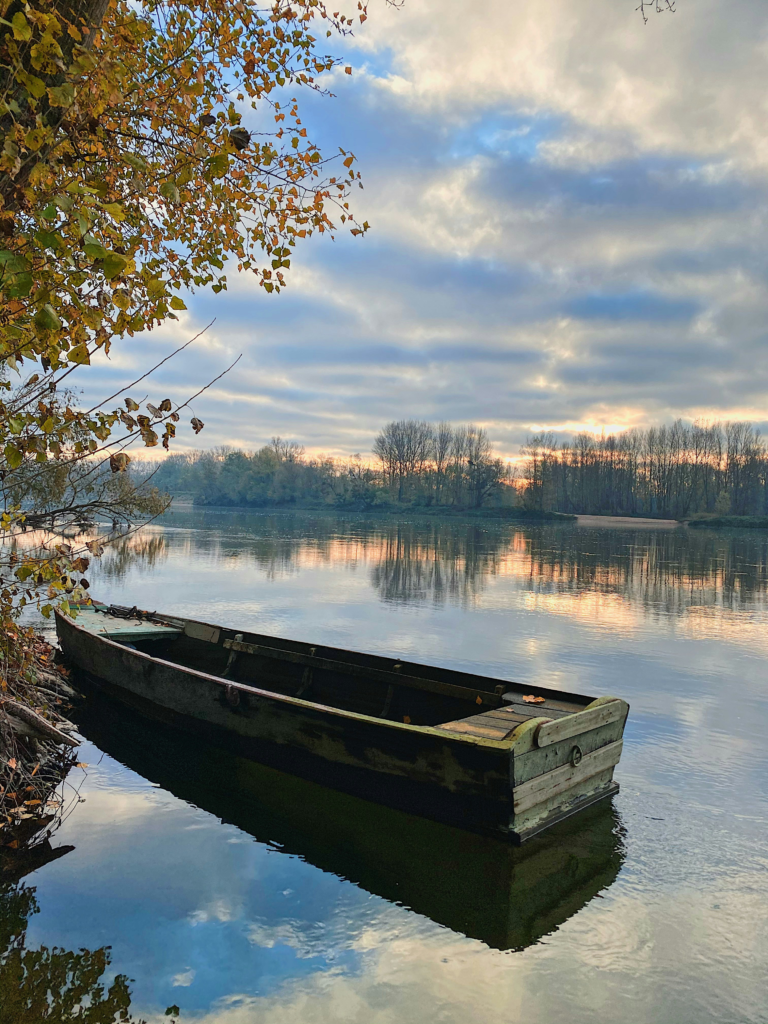
To travel the Loire is to experience a France of riverside castles, village markets, and rolling vineyards. To drink its wines is to taste that landscape: Muscadet’s coastal crispness, Chenin Blanc’s remarkable depth, Sauvignon Blanc’s mineral brightness, Cabernet Franc’s aromatic perfume.
The Loire Valley doesn’t imitate other regions; it inspires through its own vision. It stands as a destination in its own right, a place where diversity becomes identity and every glass reflects the beauty of the river that binds the region together. For wine lovers and cultural travelers alike, the Loire proves not just worth visiting, but worth returning to, again and again.
And after a month here, that’s exactly what I found: glasses of wine that spoke of place, castles that carried centuries of history, markets full of bread and cheese, and, above all, that elusive rhythm of la vie française — the real reason to come to France at all.
The valley’s greatest achievement may be this: it has preserved something essential about French wine culture while remaining thoroughly relevant to contemporary life. In an age of global sameness, the Loire maintains its distinctive voice, offering wines that are unmistakably French, undeniably excellent, and uniquely their own. As climate change challenges traditional wine regions worldwide, the Loire’s moderate climate and sustainable practices position it perfectly for the future, proving that tradition and innovation need not be opposing forces.
For wine professionals, the Loire represents both opportunity and authenticity. Its wines offer compelling alternatives to more expensive options from prestigious regions, while its commitment to sustainable viticulture aligns with contemporary values. For enthusiasts, the Loire provides endless discovery: a region where each appellation tells a different story, where traditional techniques produce thoroughly modern wines, and where the relationship between place and taste remains vividly clear.