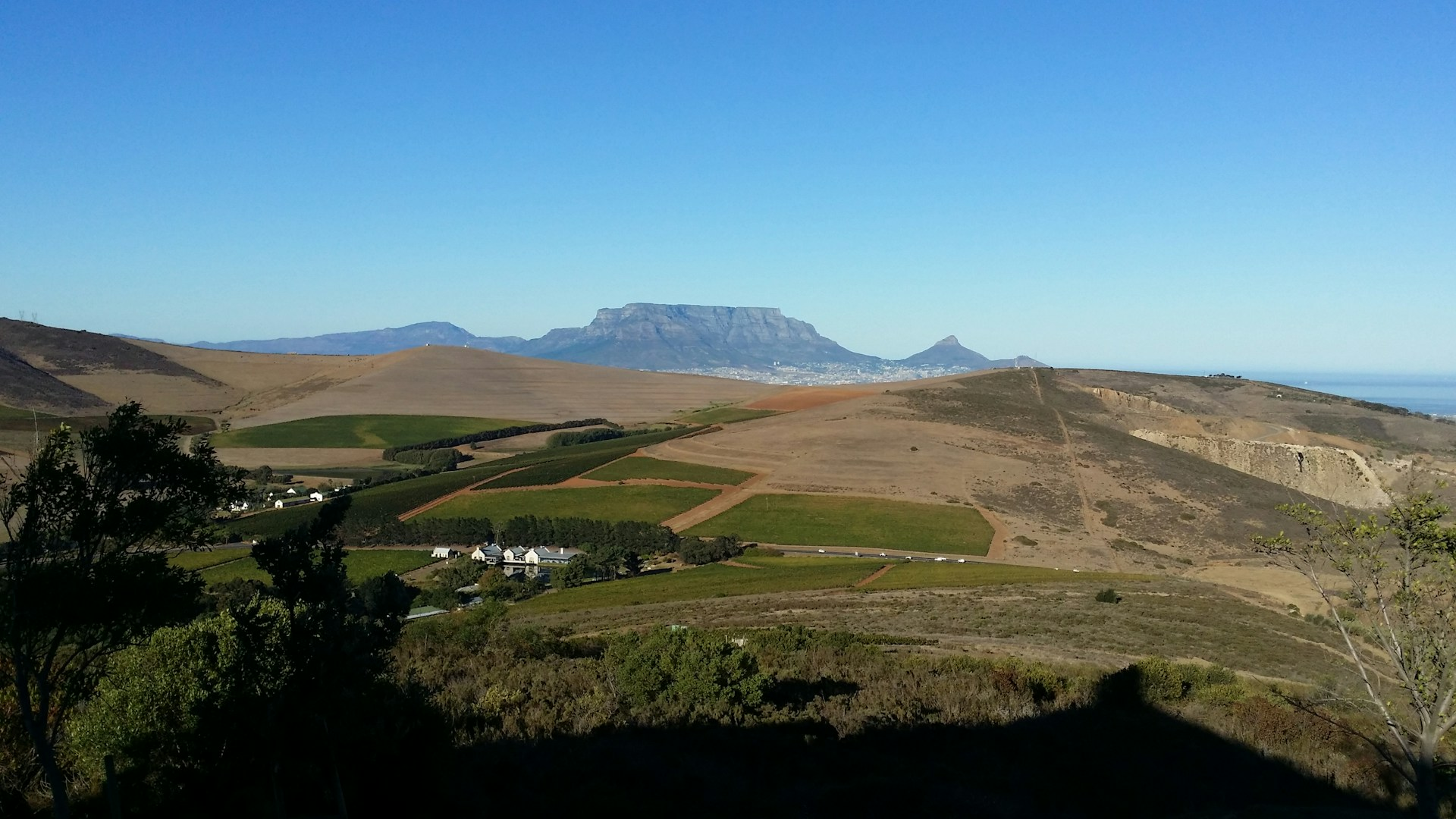
In the shadow of Table Mountain, where the Atlantic Ocean meets the African continent, lies one of the world’s most compelling wine regions for discerning travelers. Upon landing at Cape Town International Airport, you might consider how to begin your South African wine vacation: turn left toward the city’s urban energy and Table Mountain’s dramatic silhouette, or turn right toward the rolling hills of Stellenbosch wine estates and the French-influenced valleys of Franschhoek. I chose to turn right, and that decision opened the door to a viticultural paradise that seamlessly blends three centuries of winemaking heritage with bold contemporary innovation.
Cape Town may be celebrated for its dramatic landscapes and cultural diversity, but just 45 minutes from the airport’s departure gates stretches a wine region that rivals any in the world for both accessibility and excellence. Here, world-class Cape Town wine tasting experiences remain refreshingly affordable, with typical tastings at premium estates costing around $15, making it possible to explore multiple renowned South African wineries without the premium pricing found in Napa Valley or Bordeaux wine tours.
What makes Cape Town wines unique? South African wine may be categorized as “New World,” yet the Cape’s winemaking roots run deeper than many realize. This unique positioning creates wines that possess both the technical precision of modern viticulture and the soul-stirring character that comes only from centuries of tradition.
The Foundation of Cape Town Wine Excellence: A New World Region with Old World Roots
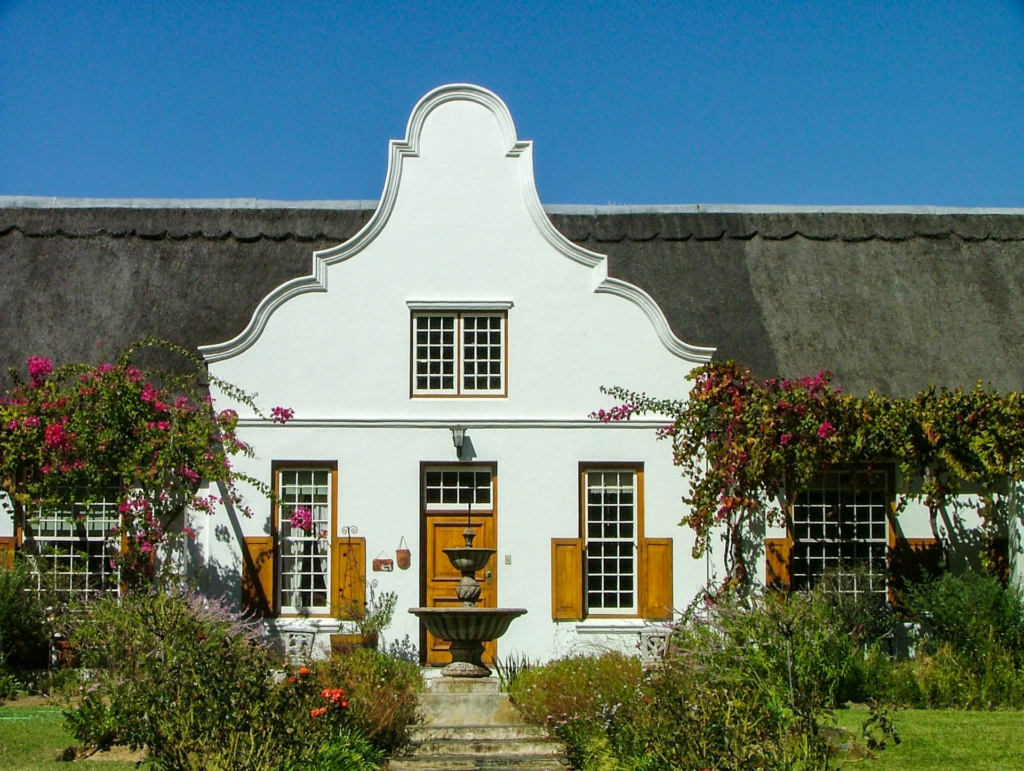
The story of Cape Town wine regions begins in 1659, when Dutch settlers established the first vines at the Cape of Good Hope. This makes South Africa’s wine industry one of the oldest outside Europe, yet the country’s tumultuous political history meant that its wines remained largely unknown to the international market for decades.
The French Huguenots arrived in the late 17th century, bringing advanced winemaking knowledge that would leave an indelible mark on regions like Franschhoek and Stellenbosch. These skilled vignerons understood the importance of terroir long before the concept became fashionable, carefully selecting vineyard sites that would showcase the unique characteristics of their adopted homeland.
However, the Cape’s global wine reputation suffered during the isolationist decades of apartheid. International sanctions limited exports, and the focus shifted to quantity over quality. It was only in the 1990s, after democratic reform, that South African wine re-entered world markets with renewed vigor and ambition.
The past three decades have witnessed a remarkable renaissance in Cape Town wine tours and tastings. Investment in vineyard management, cellar technology, and winemaking expertise has transformed the Cape Town region into one of the most dynamic wine-producing areas on earth. Today’s Cape wines demonstrate a sophistication and complexity that rivals any major wine region, while maintaining the accessibility and value that makes them irresistible to discerning drinkers worldwide.
The Natural Canvas: Geography, Climate, and Terroir
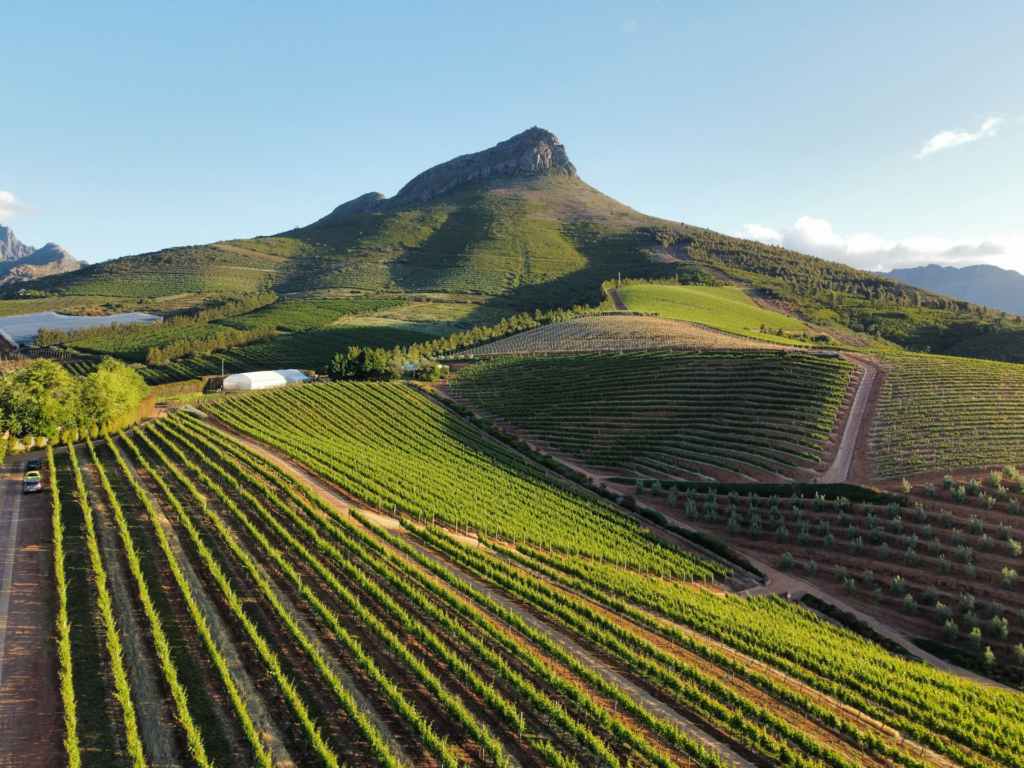
The Cape’s terroir represents one of nature’s most dramatic wine-growing environments. Bordered by the Atlantic Ocean to the west and False Bay to the south, many Cape Town vineyards benefit from cooling marine breezes that moderate the warm Mediterranean climate. The region’s mountainous terrain creates a complex tapestry of microclimates within a relatively compact area of approximately 60 miles (100 kilometers) from the city center.
The geological foundation is equally compelling. Ancient granite and shale soils, some dating back over 400 million years, provide excellent drainage while retaining just enough moisture to sustain vines through the dry summer months. These soils, combined with the region’s varied altitude ranging from sea level to over 1,600 feet (500 meters), create conditions that allow for an extraordinary range of grape varieties to flourish.
Cool coastal zones like Constantia and Durbanville, positioned closer to the ocean, excel with varieties that require moderate temperatures. Here, South African Sauvignon Blanc develops its characteristic crisp acidity and mineral backbone, while Pinot Noir is grown in limited pockets, achieving a delicate balance of fruit and earth in suitable cool sites.
The mountain foothills of Stellenbosch occupy the middle ground, both geographically and climatically. Protected from the harshest winds yet still influenced by maritime cooling, these Cape Town vineyards produce structured Cabernet Sauvignon and elegant Bordeaux-style blends that showcase both power and finesse.
Warmer inland pockets like Paarl experience more continental conditions, allowing for fuller-bodied reds and rich expressions of Chenin Blanc that capture the intensity of the African sun while maintaining the freshness that makes Cape wines so food-friendly.
This diversity in microclimates means that a single vintage from the Cape Town region can express both elegance and ripeness, often within a short drive of each other. For wine enthusiasts accustomed to the more uniform expressions of many wine regions, this variability offers endless opportunities for discovery during Cape Town wine tours.
The Subregions: Distinct Personalities Within the Greater Cape
Constantia Wine Region: Cape Town’s Historic Heart
Just 20 minutes from downtown Cape Town, Constantia holds the distinction of being South Africa’s oldest wine region. Home to Groot Constantia, founded in 1685, this area once exported its famed dessert wines to Napoleon Bonaparte and European royal courts. The legendary Vin de Constance was so prized that it commanded prices higher than the greatest Bordeaux and Burgundy wines of the era.
Today’s Constantia wine estates have evolved beyond their historical reputation while honoring their heritage. The region’s cool maritime climate, influenced by False Bay’s proximity, creates ideal conditions for elegant Sauvignon Blanc with distinctive saline freshness that speaks of its oceanic terroir. Cool-climate Chardonnay and Semillon also thrive here, producing wines with remarkable longevity and complexity.
The revival of Vin de Constance by Klein Constantia in the 1980s restored one of the wine world’s legendary dessert wines to international acclaim. Made from Muscat de Frontignan grapes that are often sun-dried on the vine – and occasionally affected by noble rot – this intensely concentrated wine represents the pinnacle of South African winemaking artistry.
Stellenbosch Wine Estates: South Africa’s Prestigious Powerhouse
Often considered the heart of South African fine wine, Stellenbosch encompasses over 37,000 acres (15,000 hectares) of vineyards just 50 kilometers from Cape Town. This well-established wine region offers visitors some of the best Cape Town wine tours in a secure environment, with well-maintained wine routes, professional security at estates, and a tourism infrastructure that prioritizes guest safety. The region’s mountainous terrain, with peaks reaching nearly 5,000 feet (1,500 meters), creates a complex array of exposures and soil types that support a wide range of internationally recognized grape varieties.
Which Cape Town wine region should you visit first? Stellenbosch has established itself as the premier destination for age-worthy red wines and sophisticated wine tasting experiences. The region’s Cabernet Sauvignon and Bordeaux blends demonstrate remarkable depth and structure, with top Stellenbosch wine estates like Meerlust, Kanonkop, and Warwick producing wines that can cellar gracefully for decades. The area’s Syrah expressions range from elegant, spice-driven styles reminiscent of the Northern Rhône to more powerful, fruit-forward interpretations that showcase the intensity of the South African sun.
For wine enthusiasts planning Cape Town vineyard experiences, Stellenbosch offers over 200 wine producers within a 30-minute drive of the historic town center. The region also serves as a hub of oenological education and experimentation, home to the University of Stellenbosch’s renowned wine research institute. This academic presence ensures that Stellenbosch remains at the forefront of viticultural innovation, from sustainable farming practices to cutting-edge winemaking techniques that enhance South African wine quality.
The best time to visit Stellenbosch wine estates spans from February through April (harvest season) and September through November (spring), when the weather is ideal for Cape Town wine tours and the vineyards showcase their seasonal beauty. Many estates offer exclusive cellar tours, wine and food pairings, and vineyard picnics that create memorable South African wine vacation experiences.
Durbanville Wine Region: The Rising Star
North of Cape Town and directly influenced by Atlantic breezes, Durbanville represents one of the Cape’s most exciting emerging wine regions. The area’s unique position creates a cooling effect that extends well into the warm summer months, allowing for extended hang time and flavor development while maintaining crucial acidity levels.
Durbanville’s Sauvignon Blanc has gained international recognition for its distinctive character, combining citrus and stone fruit flavors with herbaceous complexity and mineral undertones. The region’s Merlot and Cabernet Franc benefit from the moderate climate, producing wines with elegant tannin structure and bright fruit expression that avoids the over-ripeness that can plague warmer regions.
Boutique South African wineries such as Nitida and Diemersdal have put Durbanville on the international wine map, focusing on small-batch production and meticulous attention to vineyard management. These producers demonstrate that great wine can emerge from unexpected places when passionate winemakers understand their terroir.
Paarl Wine Region: The Warm Heart
Further inland, Paarl experiences a warmer, more continental climate that favors full-bodied wines with generous fruit character. The region’s granite and sandstone soils, combined with the abundant sunshine, create ideal conditions for Chenin Blanc, South Africa’s most planted grape variety.
Paarl’s Chenin Blanc ranges from fresh, mineral-driven styles to rich, complex expressions that showcase the grape’s remarkable versatility. The region’s red wines, particularly Shiraz and Cabernet Sauvignon, display the bold, fruit-forward character that makes them immediately appealing while possessing the structure necessary for aging.
The KWV (Koöperatieve Wijnbouwers Vereniging), headquartered in Paarl, played a central role in shaping South Africa’s wine industry throughout the 20th century. Today, the region continues to produce accessible wines that offer excellent value without sacrificing quality, making it an essential stop on comprehensive Cape Town wine tours.
The Signature Grapes: Expressions of Place
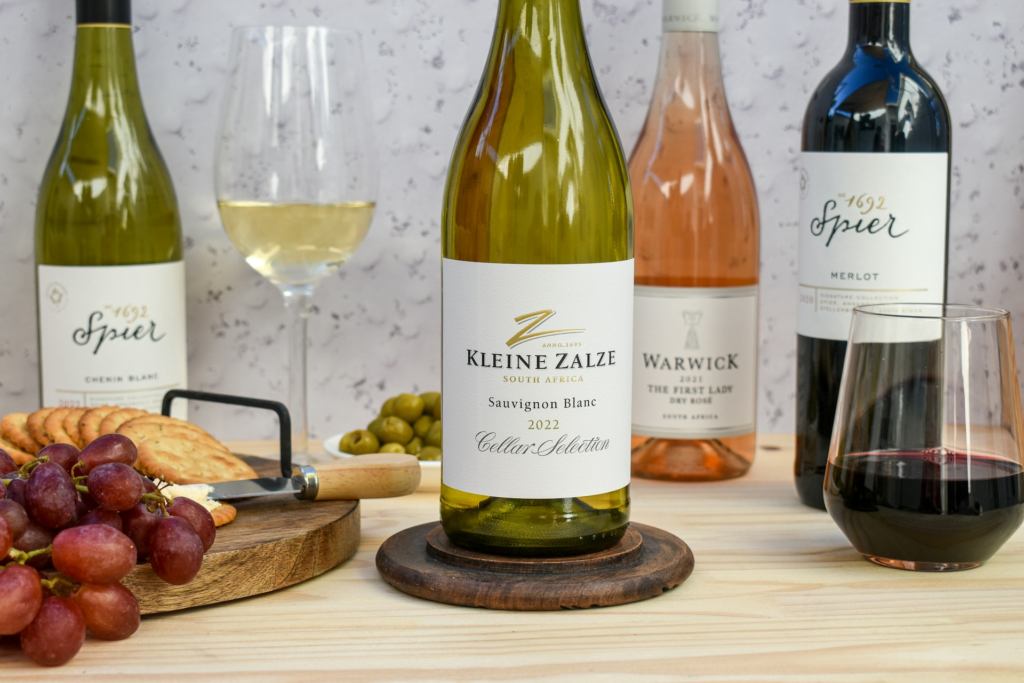
Cape Town’s viticultural diversity shines through its grape varieties, which include both international cultivars and uniquely South African expressions that define the region’s wine character.
Red Varieties
Cabernet Sauvignon forms the backbone of many Cape red blends, producing structured, age-worthy wines that often display distinctive eucalyptus and mint characteristics alongside classic blackcurrant fruit. The best examples achieve remarkable concentration while maintaining the elegance that distinguishes Cape wines from their New World counterparts.
Pinotage represents South Africa’s most distinctive contribution to the wine world. This crossing of Pinot Noir and Cinsaut, created in 1925, produces wines with smoky, earthy flavors that can be polarizing but, in the hands of skilled winemakers, create compelling expressions of South African terroir. Top producers like Kanonkop demonstrate Pinotage’s potential for creating world-class wines that showcase the unique character of Cape Town wine regions.
Syrah and Shiraz thrive in the Cape’s diverse microclimates, producing wines that range from spiced, pepper-driven styles reminiscent of the Northern Rhône to ripe, powerful expressions that showcase the region’s sunny disposition. The best examples balance fruit intensity with savory complexity, making them ideal for South African wine tastings.
White Varieties
Chenin Blanc may be South Africa’s most planted grape, but in the Cape Town region, it achieves remarkable sophistication. The variety’s natural acidity and mineral character make it ideally suited to the region’s diverse soils, producing wines that range from crisp and refreshing to rich and age-worthy.
Sauvignon Blanc reaches its South African pinnacle in the cool coastal regions, where maritime influence creates wines with distinctive saline minerality and vibrant acidity. The best examples display tropical fruit flavors balanced by herbaceous complexity and a persistent finish that makes them perfect for Cape Town wine tasting experiences.
Chardonnay benefits from the region’s diverse climate conditions, producing styles that range from lean and mineral-driven to rich and creamy. The cooler regions favor elegant expressions with citrus and stone fruit character, while warmer areas produce more opulent styles that showcase the versatility of South African wine.
Cape Blends: A Regional Identity
Cape Blends represent a uniquely South African wine style that typically includes Pinotage as a signature element alongside Bordeaux varieties. These blends reflect the region’s multicultural heritage and demonstrate how traditional and innovative approaches can create something entirely new and compelling. For visitors on Cape Town wine tours, Cape Blends offer an authentic taste of South African wine culture that cannot be found elsewhere.
The Renaissance: From Decline to International Acclaim
The transformation of Cape Town wine from quantity-focused production to quality-driven excellence represents one of the most remarkable success stories in the modern wine world. The lifting of international sanctions in the 1990s brought not only access to global markets but also exposure to international best practices and investment in modern technology.
Many Cape Town wine estates shifted from cooperative production to estate-grown, single-vineyard expressions that showcase specific terroir characteristics. This focus on authenticity and place has resulted in wines that possess both technical excellence and distinctive personality, making South African wine tours increasingly popular among discerning travelers.
Environmental consciousness has become increasingly important, with many producers embracing sustainable farming practices, biodynamic principles, and climate-resilient viticulture. This commitment to sustainability ensures that Cape Town wines will continue to evolve while respecting the natural environment that makes them possible.
Innovation and New Voices in South African Wine
One of the most exciting developments in Cape wine is the emergence of diverse voices bringing fresh perspectives to traditional practices. Black-owned wineries, women-led producers, and next-generation winemakers are reshaping the industry’s narrative while maintaining respect for its heritage.
Aslina Wines, founded by Ntsiki Biyela, South Africa’s first black female winemaker, represents the changing face of Cape wine. Seven Sisters brings family tradition to contemporary winemaking, while producers like Thistle & Weed and Reyneke experiment with minimal intervention and biodynamic techniques that enhance the authenticity of South African wine.
These new voices focus on expressing individual vineyard sites and sustainable practices, contributing to a broader shift toward authenticity and environmental responsibility that enhances the region’s reputation for quality and innovation. For visitors on Cape Town wine tours, these emerging producers offer unique perspectives on traditional winemaking.
The Cape Winelands Experience
For those seeking to experience Cape Town wines in their natural setting, the region offers one of the world’s most scenic and diverse wine tourism experiences. From colonial manor houses to avant-garde architecture, estates blend historical significance with modern design sensibilities that create memorable South African wine vacation experiences.
Wine tasting rooms with mountain views at estates like Tokara and Delaire Graff provide stunning backdrops for discovering exceptional wines. Estate restaurants pair local wines with Cape Malay cuisine or contemporary African-inspired dishes, creating memorable culinary experiences that showcase the region’s multicultural heritage during Cape Town wine tours.
Vineyard picnics, sculpture gardens, and cellar tours offer intimate encounters with the winemaking process, while well-developed wine routes make exploration accessible whether by car or organized tour. Some estates lie just 15 minutes from Cape Town proper, making world-class South African wine tasting surprisingly convenient for travelers.
How Cape Town Wine Prices Compare to Other Premium Regions
One of the most compelling aspects of Cape Town wine tours lies in their exceptional value proposition. While wine tastings in Napa Valley now average $30-40 per person for basic experiences, with wine tasting tours ranging from $75-125, equivalent experiences at top Stellenbosch wine estates typically range from $10-25. This accessibility means that wine enthusiasts can explore multiple renowned South African wineries in a single day, sampling world-class wines without the premium pricing found in more established wine tourism destinations.
The affordability extends beyond tastings to wine purchases. Exceptional Cape Town wines that would command $50-80 in international markets often retail for $15-25 at the cellar door, making them attractive both for immediate consumption and long-term cellaring. This value proposition has made South African wine tours increasingly popular among discerning travelers seeking authentic wine experiences without luxury price tags.
Challenges and Adaptations
While Cape Town enjoys generally stable growing conditions, the region faces challenges that test winemakers’ adaptability. Drought conditions from 2015 to 2018 placed pressure on yields and water usage, forcing producers to develop more efficient irrigation systems and drought-resistant practices that enhance the sustainability of South African wine production.
Climate change continues to influence vineyard management in Cape Town wine regions, pushing growers to higher elevations and earlier harvests to maintain optimal flavor development and acidity levels. Many producers have responded by adopting precision viticulture techniques and exploring new disease-resistant clones that ensure the future quality of Cape Town wines.
These challenges have ultimately strengthened the region’s commitment to sustainable practices and enhanced the overall quality of Cape wines through improved vineyard management and winemaking precision. For visitors on Cape Town wine tours, this commitment to sustainability adds another layer of appeal to the experience.
Global Recognition and Value
South African wines now reach over 100 countries, with the United Kingdom, Germany, the Netherlands, and the United States representing key markets. The country has established a reputation for exceptional value, but the premium segment continues to grow as international recognition increases for Cape Town wine regions.
Collectible reds from producers like Kanonkop, Vilafonté, and Meerlust command international attention, while small-batch whites from David & Nadia and Alheit demonstrate the region’s potential for producing world-class wines across all categories. These producers showcase the exceptional quality that visitors can discover during Cape Town wine tours.
Cape wines frequently earn gold medals at prestigious competitions including Decanter, the International Wine & Spirit Competition, and others, yet many remain undervalued compared to wines from more established regions. This presents exceptional opportunities for informed collectors and enthusiasts exploring South African wine.
Discovering Cape Town Wines: A Guide for First-Time Visitors
For those new to Cape wines, several key recommendations can provide an excellent introduction to the region’s diverse offerings. Chenin Blanc and Sauvignon Blanc serve as ideal entry points for white wine enthusiasts, showcasing the fresh, mineral-driven character that defines Cape white wines and makes them perfect for South African wine tastings.
Red wine lovers should explore Stellenbosch Cabernet Sauvignon or Cape Blends to appreciate the structured elegance and distinctive character that sets Cape reds apart from other New World regions. While Pinotage can be polarizing, trying examples from top producers like Kanonkop provides the best opportunity to appreciate this uniquely South African variety during Cape Town wine tours.
When is the best time to visit Cape Town wine regions? The harvest season from February through April offers the most exciting atmosphere, with active winemaking and harvest festivals throughout the region. Spring months from September through November provide ideal weather for Cape Town wine tours, with mild temperatures and beautiful vineyard scenery.
Proper serving temperatures enhance the wine experience: whites should be chilled to approximately 50°F (10°C), while reds benefit from slightly cooler than room temperature service at 61-64°F (16-18°C). These South African wines pair beautifully with grilled meats, biltong, fresh seafood, or North African-spiced dishes that complement their bold yet elegant character.
Conclusion: A Region for Discerning Palates
Cape Town wine tours represent a rare combination of heritage, terroir diversity, innovation, and accessibility that appeals to both seasoned collectors and curious newcomers. The region’s unique positioning between Old World tradition and New World innovation creates wines that possess both technical excellence and distinctive personality, making South African wine vacation experiences truly memorable.
As the global wine market becomes increasingly saturated with high prices and cult labels, South Africa’s Cape Winelands offer a compelling alternative. Here, world-class wine doesn’t require a European pedigree or premium pricing. Sometimes, excellence simply needs a mountain view, an ocean breeze, and 365 years of passionate dedication to the craft.
For the discerning wine enthusiast seeking both quality and discovery, Cape Town wines provide an essential addition to any cellar. They offer not just exceptional drinking pleasure but also the satisfaction of supporting a region that continues to evolve while honoring its remarkable heritage. In every glass lies the story of a land where ancient soils meet modern innovation, where diverse cultures create unified excellence, and where the promise of great wine continues to flourish under the Southern Hemisphere sun.
Whether you’re planning your first South African wine tour or returning to explore new producers, the Cape Town wine regions offer experiences that combine world-class quality with authentic cultural immersion. From the historic cellars of Constantia to the innovative producers of Stellenbosch, every Cape Town wine tasting reveals another facet of this remarkable region’s character and potential.