Argentina is a country that seems to have been designed to stir the soul. From the sultry rhythms of tango echoing through Buenos Aires’ cobblestone streets to the breathtaking power of Patagonia’s ancient glaciers, Argentina seduces travelers with an extraordinary feast of experiences. Spanning nearly 2,300 miles (3,700 kilometers) from the Bolivian border to the windswept tip of Tierra del Fuego, Argentina stands as an epic destination where European heritage seamlessly meets Latin American spirit.
This comprehensive Argentina travel guide will take you through the country’s most stunning destinations, from world-class wine regions to thundering waterfalls, helping you plan the perfect Argentine adventure.
Buenos Aires: The Paris of South America
Argentina’s beating heart is Buenos Aires, a cosmopolitan capital city as famous for its sophisticated café culture as its passionate all-night dancing. This vibrant metropolis of nearly 3 million people (and more than 15 million in its greater metropolitan area) offers travelers an intoxicating blend of old-world charm and modern energy.
Exploring Buenos Aires Neighborhoods
Palermo is the city’s trendy epicenter, offering leafy boulevards lined with boutique shops, hip cocktail bars, and innovative craft breweries. The neighborhood’s sub-districts each have their own personality: Palermo Soho buzzes with designer stores and rooftop bars, while Palermo Hollywood attracts food lovers with its cutting-edge restaurants and traditional parrillas.
San Telmo serves as a living time capsule of cobblestone streets, weekend antique markets, and authentic tango shows. Every Sunday, the famous Feria de San Telmo transforms the neighborhood into an outdoor museum where street performers, antique dealers, and local artisans create an unforgettable atmosphere.
Recoleta showcases Buenos Aires’ European influences with its grand architecture, upscale shopping, and the famous Recoleta Cemetery, where Eva Perón’s ornate tomb draws visitors from around the world.
Tango: The Soul of Buenos Aires

No Buenos Aires travel experience is complete without witnessing tango performed live. Milongas (traditional dance halls) showcase dancers of every level, from shy beginners taking their first tentative steps to breathtaking professionals whose movements tell stories of love, loss, and passion. Popular milongas like Confitería Ideal and El Querandí offer both shows and lessons for visitors feeling brave enough to try this seductive dance themselves.
For the full tango experience, consider attending a tango show at renowned venues like Café Tortoni, Buenos Aires’ oldest café, or the elegant El Viejo Almacén, where world-class performers bring Argentina’s national dance to life.
The Pampas: Discovering Argentina’s Gaucho Heritage
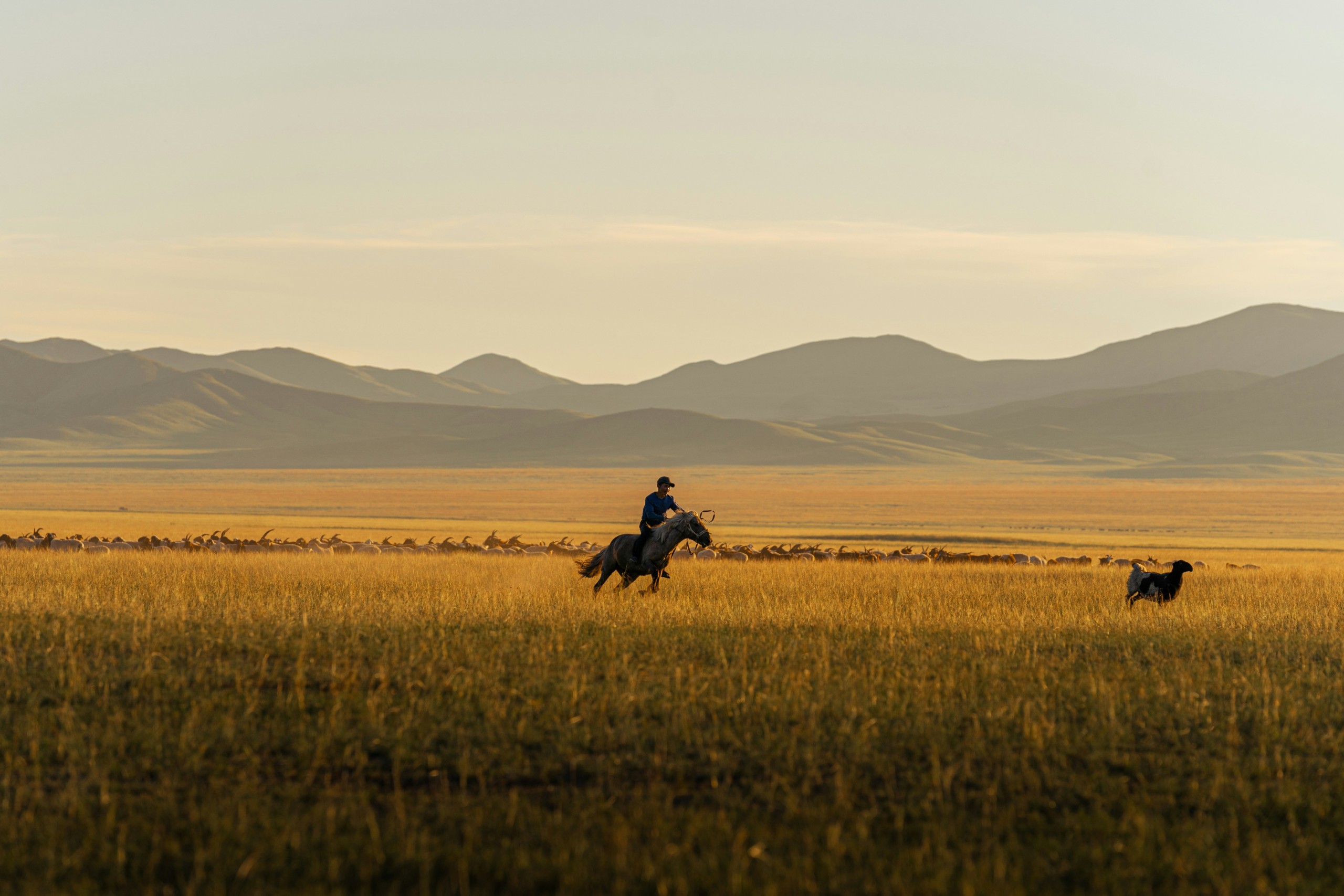
Beyond the capital lies the Pampas, Argentina’s endless grasslands where the country’s legendary cowboy culture (the gaucho tradition) continues to thrive. These fertile plains, stretching across nearly 104,000 square miles (270,000 square kilometers), represent the agricultural heart of Argentina and offer visitors a glimpse into a way of life that has remained largely unchanged for centuries.
Estancia Experiences
Traditional ranches, known as estancias, welcome visitors to experience authentic gaucho life. These working cattle ranches offer horseback riding adventures across vast grasslands, traditional asados (barbecues) featuring Argentina’s world-famous beef, and opportunities to witness skilled gauchos demonstrating their horsemanship and cattle-handling techniques.
Popular estancias near Buenos Aires include Estancia La Bamba, where visitors can participate in cattle drives, and Estancia El Ombu, famous for its polo matches and traditional folk performances. These experiences provide insight into Argentina’s rural culture, built on deep respect for horses, cattle, and the land.
Patagonia: Raw Beauty at the Edge of the World
Traveling south from Buenos Aires, Patagonia emerges as an almost mythic land of extremes, divided between the windswept steppe and towering Andean peaks. This vast region, shared between Argentina and Chile, covers over 154,000 square miles (400,000 square kilometers) and offers some of the most spectacular wilderness experiences on Earth.
Los Glaciares National Park

Los Glaciares National Park stands as Patagonia’s crown jewel, home to the otherworldly Perito Moreno Glacier, a massive, 97-square-mile (250 km²) river of ice that cracks and thunders as it advances into Lago Argentino. This UNESCO World Heritage Site offers visitors the rare opportunity to witness a glacier that’s actually advancing rather than retreating, creating dramatic ice falls and thunderous roars that echo across the landscape.
The park also encompasses the dramatic Fitz Roy mountain range, where granite spires pierce the sky and turquoise lakes reflect snow-capped peaks. The town of El Chaltén, known as Argentina’s trekking capital, serves as the gateway to some of South America’s most challenging and rewarding hiking trails.
Wildlife and Adventure in Patagonia
Patagonia’s diverse ecosystems support an incredible array of wildlife. The Valdés Peninsula, a UNESCO World Heritage Site, offers exceptional wildlife viewing opportunities where visitors can spot Southern right whales, orcas hunting seals, enormous elephant seals, and colonies of Magellanic penguins.
On land, the region’s steppes and forests are home to guanacos (wild relatives of llamas), rheas (South American ostriches), and Andean condors soaring overhead with wingspans reaching 10 feet (3 meters). Puma tracking expeditions in Torres del Paine National Park (though located in Chile, Torres del Paine’s growing puma tracking tours are easily reached from Argentine Patagonia) have become increasingly popular among wildlife enthusiasts.
Patagonian Towns and Culture
El Calafate serves as the gateway to the glaciers, while Ushuaia, the world’s southernmost city, offers access to Tierra del Fuego’s pristine wilderness. These frontier towns blend outdoor adventure with cozy refuges featuring local crafts, regional cuisine, and warm hospitality that makes even the most remote corners of Patagonia feel welcoming.
Mendoza: Argentina’s Wine Capital
Argentina ranks as the world’s fifth-largest wine producer, and Mendoza province stands as its undisputed heart. Situated at the foot of the Andes Mountains at an elevation of 2,400 feet (730 meters), this sunny region enjoys over 300 days of sunshine annually and produces some of the world’s finest wines.

Malbec and Beyond
Mendoza is globally famous for Malbec, a robust, fruit-forward red wine that has become Argentina’s signature grape variety. Originally from France, Malbec found its perfect home in Mendoza’s high-altitude vineyards, where intense sunlight and cool mountain air create ideal growing conditions.
However, Mendoza’s wine scene extends far beyond Malbec. The region produces exceptional Cabernet Sauvignon, Syrah, and Bonarda reds, along with crisp Torrontés and Sauvignon Blanc whites. Many bodegas (wineries) have earned international recognition, including Catena Zapata, Achaval-Ferrer, and Salentein.
Wine Tourism and Experiences
Countless wineries open their doors for tastings, tours, and traditional meals in beautiful vineyard settings. The wine routes of Maipú and Luján de Cuyo offer easy access to numerous bodegas, while the Uco Valley provides a more exclusive, high-altitude wine experience with stunning Andean backdrops.
Many wineries combine wine tasting with gourmet dining, featuring menus that pair local wines with regional specialties like cordero (lamb), empanadas, and dulce de leche desserts.
Adventure Activities in Mendoza
Outdoor adventures perfectly complement wine tasting experiences. The region offers white-water rafting on snow-fed rivers, horseback riding through vineyard-dotted foothills, and mountaineering opportunities on Aconcagua, the highest peak in the Americas at 22,837 feet (6,960 meters).
The nearby Andes provide excellent hiking, with trails ranging from gentle vineyard walks to challenging high-altitude treks. Many tour operators offer combination packages that include morning wine tastings followed by afternoon adventure activities.
Iguazú Falls: A Natural Wonder of the World
In Argentina’s northeast, where the country meets Brazil and Paraguay, lies Iguazú Falls, one of the most spectacular waterfall systems on Earth. This UNESCO World Heritage Site consists of 275 individual cascades spread over nearly 1.9 miles (3 kilometers), creating a thunderous display of nature’s raw power.

Exploring the Falls
The Argentine side of Iguazú offers three main trail circuits: the Upper Circuit provides panoramic views from above the falls, the Lower Circuit brings visitors close to the base of major cascades, and the Devil’s Throat Circuit leads to the most dramatic viewpoint at the largest waterfall.
Boat tours carry adventurous visitors right into the spray of the falls, providing an exhilarating and soaking wet experience. The surrounding Iguazú National Park encompasses 165,000 acres (67,000 hectares) of pristine Atlantic Forest, sheltering over 450 bird species, including colorful toucans, and mammals like coatis and even elusive jaguars.
Best Time to Visit Iguazú
The falls are impressive year-round, but the water levels vary significantly with the seasons. The rainy season (October to March) creates the most powerful flows, while the dry season (April to September) offers easier hiking conditions and better wildlife viewing opportunities.
Northwest Argentina: A Palette of Colors and Culture
The northwest provinces of Salta and Jujuy offer landscapes that seem straight out of a painter’s imagination. This region combines dramatic mountains, high-altitude deserts, and traditional Andean villages, creating a travel experience that’s both visually stunning and culturally rich.
Quebrada de Humahuaca
The Quebrada de Humahuaca, a UNESCO World Heritage Site, stretches for 96 miles (155 kilometers) through a valley known for its hills of banded, multicolored rock formations. The Hill of Seven Colors near Purmamarca displays an incredible spectrum of mineral deposits, creating natural artwork that changes throughout the day as the light shifts.
Traditional villages like Tilcara and Humahuaca preserve indigenous Quechua culture, with adobe houses, colorful markets, and ancient fortresses (pucarás) that tell the story of pre-Columbian civilizations.
Salinas Grandes and High-Altitude Landscapes
The Salinas Grandes salt flats, located at 11,200 feet (3,400 meters) above sea level, offer a gleaming white landscape that rivals Bolivia’s famous Salar de Uyuni. These 202-square-mile (525-square-kilometer) salt flats create optical illusions and provide perfect conditions for creative photography.
The region’s high-altitude deserts showcase unique geological formations, from the red rock formations of Cafayate to the multi-colored mountains of the Hornocal range, known locally as the “Mountain of 14 Colors.”
Cultural Heritage and Traditions
Northwest Argentina serves as the heart of the country’s folk traditions. Andean music, traditional foods, and indigenous customs blend with colonial Spanish architecture in charming towns like Salta, where 16th-century churches, tree-lined plazas, and bustling markets create an atmosphere that feels both timeless and vibrantly alive.
The region’s traditional festivals, including the colorful Carnaval celebrations and religious processions, offer visitors opportunities to experience authentic Argentine culture away from the more European-influenced areas of the country.
Argentine Cuisine: A Culinary Journey Beyond Steak
Argentine cuisine has gained international recognition far beyond its world-famous beef. The asado (barbecue) represents more than just a cooking method. It’s a social ritual where cuts of meat sizzle over wood fires and are shared for hours with family and friends.
Traditional Dishes and Regional Specialties
Empanadas are Argentina’s beloved savory pastries, with fillings that vary by region: spiced beef and onions in Buenos Aires, goat meat in the northwest, and cheese and corn in rural areas. Each province claims to make the best empanadas, creating a delicious rivalry for travelers to explore.
Milanesa, a breaded meat cutlet similar to schnitzel, reflects the country’s European influences, while locro, a hearty corn-and-meat stew, showcases indigenous ingredients and cooking techniques.
Dulce de leche, Argentina’s signature sweet treat, appears in everything from ice cream to pastries, and even as a spread for toast or crackers.
Wine and Beverage Culture
Beyond world-class wines, Argentina offers unique beverages like mate, a traditional herbal tea shared among friends in a gourd with a metal straw. This social drink represents friendship and hospitality throughout Argentine culture.
Fernet and Coke has become Argentina’s unofficial national cocktail, especially popular in Córdoba but beloved nationwide, while Quilmes beer remains the country’s most popular alcoholic beverage.
Modern Culinary Innovation
In Buenos Aires and Mendoza, a growing movement of innovative chefs explores native Patagonian ingredients, Andean herbs, and wild game in inventive new ways. Restaurants like Tegui, Chila, and Elena have earned international recognition for blending traditional Argentine flavors with modern techniques.
These establishments often feature ingredients like quinoa, amaranth, and native fruits, creating a new Argentine cuisine that honors tradition while embracing innovation.
Practical Argentina Travel Tips
Transportation
Argentina’s vast size makes domestic flights essential for covering long distances efficiently. Aerolíneas Argentinas and budget carriers like Flybondi connect major cities, while long-distance buses offer a more affordable option with comfortable sleeper services on overnight routes.
Within Buenos Aires and other major cities, taxis and rideshares like Uber and Cabify are affordable and reliable. The Buenos Aires subway system (Subte) provides efficient transportation, though many neighborhoods are perfectly walkable.
Currency and Money Matters
The Argentine peso can fluctuate significantly, and exchange rates vary between official and unofficial markets. Many travelers bring US dollars for exchange, as they’re widely accepted and often offer better rates than credit cards.
ATMs are widely available, but daily withdrawal limits can be low. Credit cards are accepted in most establishments in major cities, though cash is preferred in rural areas and small towns.
Language and Communication
Spanish is the national language, but in major tourist areas, English is increasingly understood. Learning basic Spanish phrases enhances the travel experience and is appreciated by locals.
Argentine Spanish has unique characteristics, including the use of “vos” instead of “tú” and distinctive pronunciation that reflects the country’s Italian immigration heritage.
Safety and Health
Argentina is generally safe for travelers, with standard precautions recommended in major cities. Petty theft can occur in tourist areas, so securing valuables and staying aware of surroundings is advisable.
No special vaccinations are required for most areas, though yellow fever vaccination is recommended for visits to northern provinces near Paraguay and Brazil.
Best Time to Visit Argentina
Argentina’s seasons are opposite to the northern hemisphere, creating different optimal travel times for various regions:
Summer (December-February) is perfect for Patagonia, when weather is warmest and hiking conditions are ideal. However, this is peak season with higher prices and crowded attractions.
Autumn (March-May) offers excellent weather for wine touring in Mendoza and city exploration in Buenos Aires, with comfortable temperatures and fewer crowds.
Winter (June-August) provides the best conditions for visiting the northwest, avoiding summer’s intense heat, and offers good wildlife viewing in Patagonia.
Spring (September-November) brings pleasant weather throughout most of the country, with blooming flowers and moderate temperatures ideal for diverse activities.
Planning Your Argentina Adventure
Argentina rewards travelers with extraordinary variety: cosmopolitan cities that rival European capitals, authentic cowboy ranches where gaucho traditions thrive, ancient glaciers that thunder into pristine lakes, lush jungles hiding thundering waterfalls, colorful high-altitude deserts, and one of the world’s richest culinary cultures.
Whether you come for the passionate tango performances, world-class wines, outdoor adventures, or cultural experiences, Argentina offers experiences that will create lifelong memories. The country’s warm hospitality, diverse landscapes, and rich cultural heritage ensure that every traveler finds their own unique connection to this remarkable South American destination.
From the sophisticated streets of Buenos Aires to the remote wilderness of Patagonia, Argentina invites you to discover a country where every region tells a different story, yet all share the unmistakable passion and spirit that makes Argentina truly unforgettable. Plan your journey to this captivating destination and prepare to leave a piece of your heart behind in Argentina’s wild, beautiful embrace.