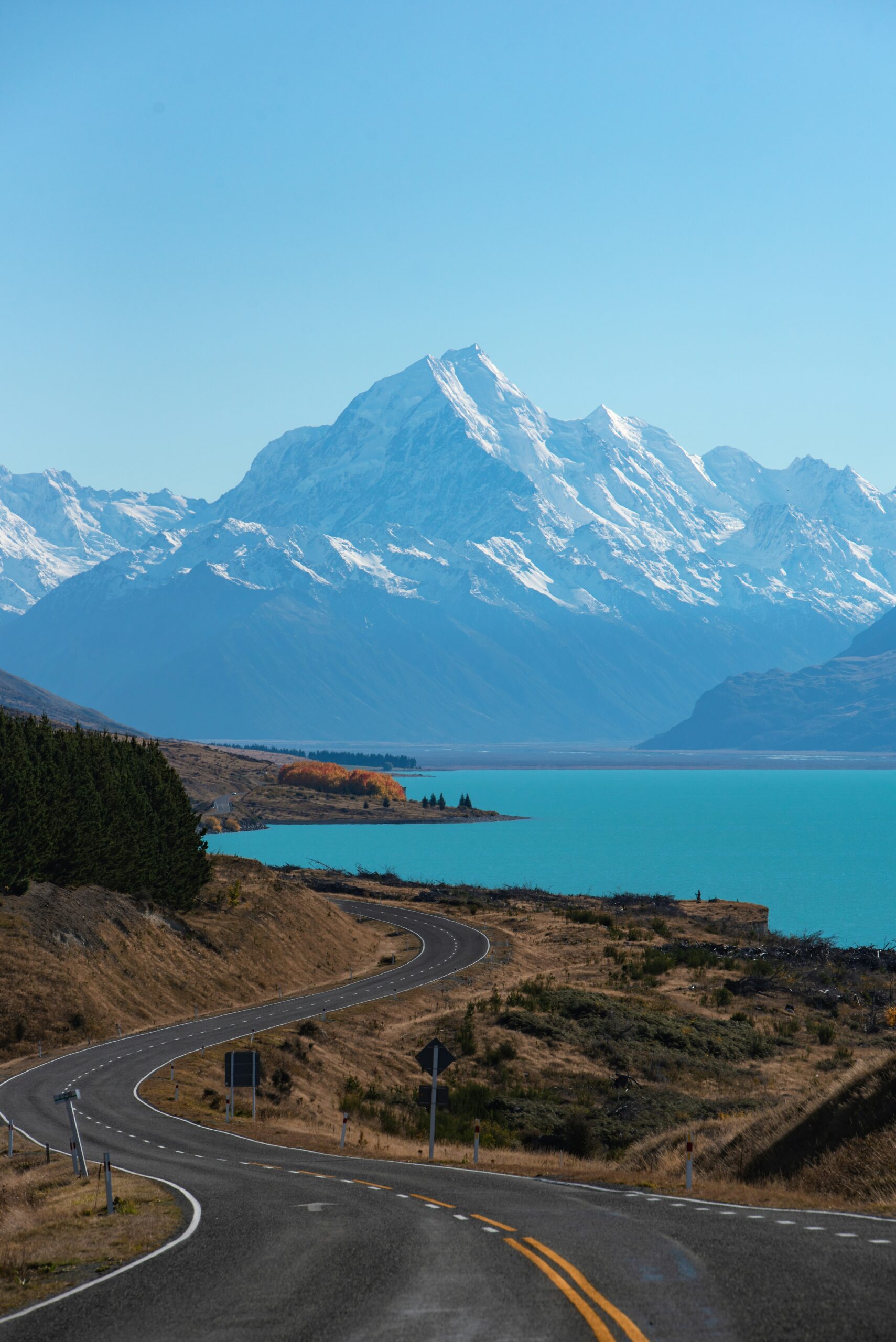
New Zealand stands as one of the world’s most captivating destinations, where dramatic landscapes unfold across two pristine islands in the South Pacific. Known to the Māori as Aotearoa, meaning “Land of the Long White Cloud,” this remarkable country offers an extraordinary blend of natural wonders, rich cultural heritage, and unforgettable adventures that continue to enchant sophisticated travelers from around the globe.
From the geothermal marvels of Rotorua to the majestic fjords of Milford Sound, from the cosmopolitan charm of Auckland to the adventure capital of Queenstown, New Zealand presents a diverse tapestry of experiences. This comprehensive New Zealand travel guide explores the finest destinations, cultural treasures, and practical insights to help you craft the perfect journey through Middle-earth’s real-world landscapes.
Auckland: Gateway to Adventure
While Auckland serves as New Zealand’s primary entry point, the city’s true appeal lies in its role as a launching pad to the country’s remarkable natural attractions. The sprawling metropolis offers essential services and connections, but savvy travelers use it as a brief stopover before venturing to more captivating destinations.
The city’s most compelling attraction, Waiheke Island, lies just 40 minutes away by ferry. This sophisticated island retreat features world-renowned vineyards, artisanal olive groves, and a thriving creative community. The island’s Mediterranean-like climate produces exceptional wines, particularly those from Mudbrick Vineyard and Cable Bay Vineyards, where tastings can be enjoyed with stunning views across the Hauraki Gulf. Waiheke represents everything remarkable about New Zealand’s approach to luxury tourism: intimate, sustainable, and deeply connected to the natural environment.
Rotorua: Where Earth’s Power Meets Māori Spirituality

Approximately three hours south of Auckland, Rotorua presents one of New Zealand’s most extraordinary destinations. This geothermal wonderland offers visitors the rare opportunity to witness the planet’s raw power while experiencing the living traditions of Māori culture in their authentic setting.
The city’s geothermal features create an otherworldly landscape where steaming geysers, bubbling mud pools, and mineral-rich hot springs paint the environment in vivid colors. Te Puia geothermal park showcases the magnificent Pōhutu Geyser, the Southern Hemisphere’s largest active geyser, which erupts spectacularly up to 20 times daily, shooting water and steam up to 30 meters into the air.
Rotorua’s significance extends far beyond its geological wonders. The region serves as a cultural heartland for Māori traditions, offering visitors respectful opportunities to engage with indigenous culture through authentic experiences. Tamaki Māori Village provides immersive cultural encounters featuring traditional welcome ceremonies, storytelling, and the powerful haka war dance. The nearby Whakarewarewa thermal village demonstrates how Māori communities have lived harmoniously with geothermal energy for over 700 years.
The therapeutic benefits of Rotorua’s geothermal activity attract wellness seekers from around the world. Polynesian Spa offers luxurious hot mineral pools overlooking Lake Rotorua, while Hell’s Gate provides unique mud bath experiences that have been enjoyed for centuries. These natural treatments, rich in minerals like silica and sulfur, provide rejuvenating benefits for skin and overall wellbeing.
Taupō and Tongariro: New Zealand’s Volcanic Heart
Lake Taupō, New Zealand’s largest lake, occupies a massive caldera formed by one of history’s most powerful volcanic eruptions. This pristine body of water, larger than Singapore, offers exceptional fishing opportunities, particularly for rainbow trout, while providing a stunning backdrop for water sports and lakeside relaxation.
The thundering Huka Falls, just north of Taupō, demonstrates nature’s raw power as the Waikato River forces 220,000 liters of water per second through a narrow rocky gorge. The falls’ distinctive blue-green color results from the water’s incredible clarity and the rocky riverbed’s composition, creating one of New Zealand’s most photographed natural attractions.
Tongariro National Park, a UNESCO World Heritage Site, encompasses three active volcanoes: Mount Tongariro, Mount Ngauruhoe, and Mount Ruapehu. The park’s crown jewel, the Tongariro Alpine Crossing, ranks among the world’s finest day hikes. This challenging 19-kilometer trek traverses volcanic landscapes, emerald lakes, and dramatic craters, offering hikers an intimate encounter with New Zealand’s geological forces.
The crossing’s diverse terrain includes ancient lava flows, active thermal areas, and alpine vegetation, providing constantly changing scenery throughout the journey. The iconic Emerald Lakes, colored by dissolved minerals, create a surreal landscape that seems to belong on another planet. For less experienced hikers, shorter walks within the park offer equally spectacular views without the physical demands of the full crossing.
Wellington: Cultural Stepping Stone
Wellington’s compact capital charm provides a useful transition point between the North and South Islands, though most travelers find their time better spent exploring New Zealand’s natural wonders. The city’s café culture and Te Papa Tongarewa museum offer pleasant diversions, but the real treasures lie beyond the urban boundaries.
The historic Wellington Cable Car provides access to the Botanic Gardens and panoramic harbor views, while the waterfront offers pleasant walking opportunities. However, most sophisticated travelers use Wellington primarily as a departure point for the spectacular ferry journey to the South Island through the Marlborough Sounds.
Crossing to the South Island: The Marlborough Sounds
The journey from Wellington to the South Island via the Interislander ferry ranks among New Zealand’s most scenic travel experiences. This three-hour voyage through Cook Strait and the Marlborough Sounds reveals one of the country’s most spectacular landscapes, where drowned river valleys create an intricate network of waterways, secluded bays, and forested peninsulas.
The Marlborough Sounds encompass over 1,500 kilometers of coastline, creating a maritime paradise that can only be fully appreciated from the water. The ferry journey provides excellent opportunities for wildlife spotting, including dolphins, seals, and various seabirds that inhabit these protected waters.
Nelson and Abel Tasman: Golden Beaches and Artistic Expression
Nelson, situated at the northern tip of the South Island, enjoys New Zealand’s sunniest climate and has developed a reputation as a haven for artists, winemakers, and outdoor enthusiasts. The city’s golden beaches, craft breweries, and Saturday market create an appealing blend of natural beauty and cultural sophistication.
The nearby Abel Tasman National Park protects one of New Zealand’s most beautiful coastlines, where turquoise waters lap against golden sand beaches framed by native forest. The Abel Tasman Coast Track, one of New Zealand’s Great Walks, provides access to this paradise through well-maintained trails that can be walked, cycled, or explored by kayak.
The park’s unique ecosystem supports New Zealand fur seals, various bird species, and pristine native forests. Visitors can combine hiking with kayaking or water taxi transport, creating flexible itineraries that suit different fitness levels and interests. The park’s sheltered waters make it ideal for sea kayaking, offering intimate encounters with marine life and access to secluded beaches.
Kaikōura: Marine Wildlife Paradise

Kaikōura represents one of the world’s premier marine wildlife destinations, where the continental shelf creates upwelling currents that support an incredibly rich ecosystem. This unique geography brings deep-ocean species close to shore, creating exceptional opportunities for whale watching, dolphin encounters, and seabird observation.
Sperm whales reside in Kaikōura’s waters year-round, making whale watching tours highly successful. These magnificent creatures, which can grow up to 20 meters long, feed in the deep waters just offshore. The town’s whale watching operators maintain excellent safety records while providing educational experiences that promote marine conservation.
Swimming with dusky dolphins offers another unforgettable Kaikōura experience. These playful marine mammals gather in large pods in the town’s sheltered bays, creating opportunities for respectful wildlife encounters. The local operators follow strict guidelines to ensure minimal impact on dolphin behavior while maximizing visitor enjoyment.
Kaikōura’s dramatic setting, where the snow-capped Kaikōura Ranges meet the Pacific Ocean, creates a stunning backdrop for these marine adventures. The town’s famous crayfish (koura) fishing industry provides exceptional seafood dining opportunities, allowing visitors to savor fresh seafood while enjoying spectacular coastal views.
Christchurch: Gateway to Canterbury’s Wonders
Christchurch has emerged from devastating earthquakes as a testament to resilience, but its primary value lies as a gateway to the spectacular Canterbury region and Southern Alps. The city’s innovative architecture and street art provide pleasant diversions, while the Christchurch Botanic Gardens offer peaceful respite with over 10,000 plant species.
The real treasures lie beyond the city limits in the Canterbury Plains, where golden farmland stretches toward the snow-capped Southern Alps. This region provides access to world-class skiing at Mount Hutt and Porters, while the dramatic landscapes of Arthur’s Pass National Park offer exceptional hiking and photography opportunities just two hours from the city.
Queenstown: Adventure Capital Extraordinaire

Queenstown’s spectacular setting beside Lake Wakatipu and beneath the Remarkables mountain range creates one of the world’s most photogenic destinations. This resort town has earned its reputation as the adventure capital of the world through its incredible variety of adrenaline-pumping activities and stunning natural beauty.
The town’s adventure offerings seem almost unlimited: bungee jumping from the historic Kawarau Bridge where the sport was invented, skydiving over dramatic landscapes, jet boating through narrow canyon walls, and white-water rafting on pristine rivers. Winter transforms Queenstown into a world-class ski destination, with four major ski areas providing excellent powder skiing and snowboarding.
Beyond adventure activities, Queenstown offers sophisticated dining, world-class wines, and luxury accommodations. The town’s restaurants showcase New Zealand’s finest ingredients, from Central Otago lamb to Bluff oysters, prepared by internationally trained chefs. The nearby Gibbston Valley wine region produces exceptional Pinot Noir and other cool-climate varieties.
The historic steamship TSS Earnslaw, operating since 1912, provides a gentler way to experience Lake Wakatipu’s beauty. This beautifully restored vessel offers scenic cruises to Walter Peak High Country Farm, where visitors can experience traditional sheep farming and enjoy hearty country meals.
Fiordland: Nature’s Masterpiece

Fiordland National Park encompasses 1.2 million hectares of pristine wilderness, making it one of the world’s largest national parks. This UNESCO World Heritage area protects ancient rainforests, dramatic fjords, and towering mountain peaks that create some of Earth’s most spectacular scenery.
Milford Sound, the park’s most famous destination, justifies its reputation as the “eighth wonder of the world.” The fjord’s sheer granite walls rise directly from dark waters to heights of over 1,000 meters, creating a sense of scale that photographs cannot capture. Mitre Peak, perhaps New Zealand’s most photographed mountain, reflects perfectly in the sound’s mirror-like waters during calm conditions.
The journey to Milford Sound along the Milford Road ranks among the world’s most scenic drives. This mountain highway passes through native forests, past mirror lakes, and through the remarkable Homer Tunnel, carved through solid rock during the 1930s. The road’s numerous viewpoints and short walks provide excellent opportunities to experience Fiordland’s diverse ecosystems.
Boat cruises remain the most popular way to experience Milford Sound, allowing visitors to approach towering waterfalls, spot marine wildlife, and appreciate the fjord’s immense scale. Scenic flights provide an entirely different perspective, revealing the vast wilderness that extends beyond the sound and the dramatic glacier-carved valleys that define this landscape.
Stewart Island: New Zealand’s Best-Kept Secret
Stewart Island (Rakiura) offers New Zealand’s most pristine wilderness experience, where 85% of the island remains protected as national park. This remote destination provides exceptional opportunities for hiking, wildlife observation, and experiencing New Zealand’s natural environment without crowds.
The island’s isolation has preserved unique ecosystems and wildlife populations, including the rare opportunity to see kiwi birds in their natural habitat. Stewart Island brown kiwi are more active during daylight hours than their mainland cousins, increasing visitor chances of spotting these iconic birds.
The Rakiura Track, one of New Zealand’s Great Walks, provides a 32-kilometer loop through diverse landscapes including coastal forests, pristine beaches, and panoramic viewpoints. The track’s well-maintained huts and campsites support multi-day adventures in pristine wilderness.
Stewart Island’s night skies, protected from light pollution, offer exceptional stargazing opportunities. During winter months, the aurora australis (Southern Lights) occasionally creates spectacular displays that rival those of the northern aurora borealis.
New Zealand Cuisine: A Culinary Journey
New Zealand’s culinary scene reflects the country’s diverse cultural influences and abundant natural resources. The nation’s clean environment and sustainable farming practices produce exceptional ingredients that form the foundation of modern New Zealand cuisine.
Seafood plays a central role in New Zealand dining, with green-lipped mussels, Bluff oysters, and fresh fish available throughout the country. The famous Marlborough salmon, farmed in the pristine waters of the Marlborough Sounds, ranks among the world’s finest. Kaikōura crayfish, harvested from the nutrient-rich waters of the east coast, provides a true delicacy.
New Zealand lamb, raised on pristine pastures, has achieved international recognition for its quality and flavor. The country’s grass-fed beef also receives acclaim from discerning diners worldwide. These premium meats form the foundation for both traditional and contemporary New Zealand dishes.
Māori cuisine contributes unique flavors and cooking methods to New Zealand’s culinary landscape. The traditional hāngi cooking method, using heated rocks buried in the earth, produces tender meats and vegetables with distinctive smoky flavors. Many restaurants now incorporate hāngi techniques into contemporary dishes, creating a uniquely New Zealand dining experience.
Wine Regions: World-Class Viticulture
New Zealand’s wine industry has achieved remarkable success on the international stage, with distinct regions producing wines that reflect their unique terroir and climate conditions. The country’s cool climate and diverse geography create ideal conditions for producing elegant, expressive wines.
Marlborough, the largest wine region, has gained worldwide recognition for its distinctive Sauvignon Blanc, characterized by intense tropical fruit flavors and crisp acidity. The region’s sunny days and cool nights create perfect conditions for aromatic white wines, while increasing plantings of Pinot Noir show promise for red wine production.
Central Otago, the world’s southernmost wine region, produces exceptional Pinot Noir in a dramatic landscape of schist soils and extreme diurnal temperature variations. The region’s harsh continental climate creates wines of incredible intensity and complexity that rival the finest Burgundies.
Hawke’s Bay, New Zealand’s second-largest wine region, excels in red wine production, particularly Merlot and Cabernet Sauvignon blends. The region’s warm climate and diverse soil types create ideal conditions for full-bodied red wines that express the unique character of New Zealand terroir.
Practical Planning for Your New Zealand Adventure
New Zealand’s excellent infrastructure makes independent travel straightforward and enjoyable. Domestic flights connect major destinations efficiently, while rental cars provide flexibility for exploring remote areas and scenic routes. The country’s compact size allows visitors to experience diverse landscapes and climates within relatively short distances.
New Zealand’s currency, the New Zealand Dollar, provides good value for international visitors, particularly from Europe and North America. Credit cards are widely accepted throughout the country, with contactless payment systems common in urban areas.
The country’s commitment to sustainability and environmental protection creates excellent opportunities for eco-conscious travelers. Many accommodations, tour operators, and restaurants have achieved environmental certifications, making it easy to travel responsibly while supporting local communities.
New Zealand’s safety record for international visitors remains excellent, with low crime rates and well-developed emergency services. The country’s healthcare system provides high-quality medical care, though comprehensive travel insurance remains advisable for adventure activities.
When to Visit New Zealand
New Zealand’s seasons are opposite to the Northern Hemisphere, with summer occurring from December to March and winter from June to August. Each season offers distinct advantages for different types of travelers and activities.
Summer provides the warmest weather and longest days, making it ideal for hiking, beach activities, and exploring the country’s diverse landscapes. This peak season also brings larger crowds and higher accommodation prices, particularly in popular destinations like Queenstown and the Bay of Islands.
Autumn (March to May) offers mild temperatures, fewer crowds, and spectacular fall colors, particularly in Central Otago and Canterbury. This season provides excellent conditions for hiking and wine touring, with harvest festivals celebrating the country’s agricultural bounty.
Winter transforms New Zealand into a wonderland for snow sports enthusiasts, with world-class skiing and snowboarding available from June to September. This season also provides excellent opportunities for whale watching and experiencing the country’s cozy indoor attractions.
Spring (September to November) brings mild weather, blooming flowers, and baby animals, creating ideal conditions for wildlife observation and photography. This shoulder season offers good value accommodations and fewer crowds while maintaining pleasant weather for outdoor activities.
Embracing the Spirit of Aotearoa
New Zealand offers far more than spectacular scenery and adventure activities. The country’s commitment to environmental protection, cultural preservation, and sustainable tourism creates opportunities for meaningful travel experiences that contribute positively to local communities and natural ecosystems.
The integration of Māori culture into contemporary New Zealand society provides visitors with authentic opportunities to learn about indigenous perspectives on land stewardship, community values, and spiritual connections to the natural world. These cultural exchanges enrich the travel experience while supporting the preservation of traditional knowledge and practices.
New Zealand’s “100% Pure” tourism brand reflects a genuine commitment to environmental protection and sustainable development. Visitors can participate in conservation projects, support eco-friendly businesses, and learn about innovative approaches to balancing economic development with environmental protection.
The warmth and hospitality of New Zealand’s people, known locally as “Kiwis,” creates lasting memories that extend far beyond the country’s natural attractions. From the sophisticated urbanites of Auckland to the rugged farmers of the South Island high country, New Zealanders share a common appreciation for their remarkable homeland and a genuine desire to share its treasures with respectful visitors.
Your journey through Aotearoa awaits, promising discoveries that will reshape your understanding of natural beauty, cultural richness, and the profound connections between people and place. Welcome to New Zealand, where every experience becomes a treasured memory and every landscape reveals new wonders.

