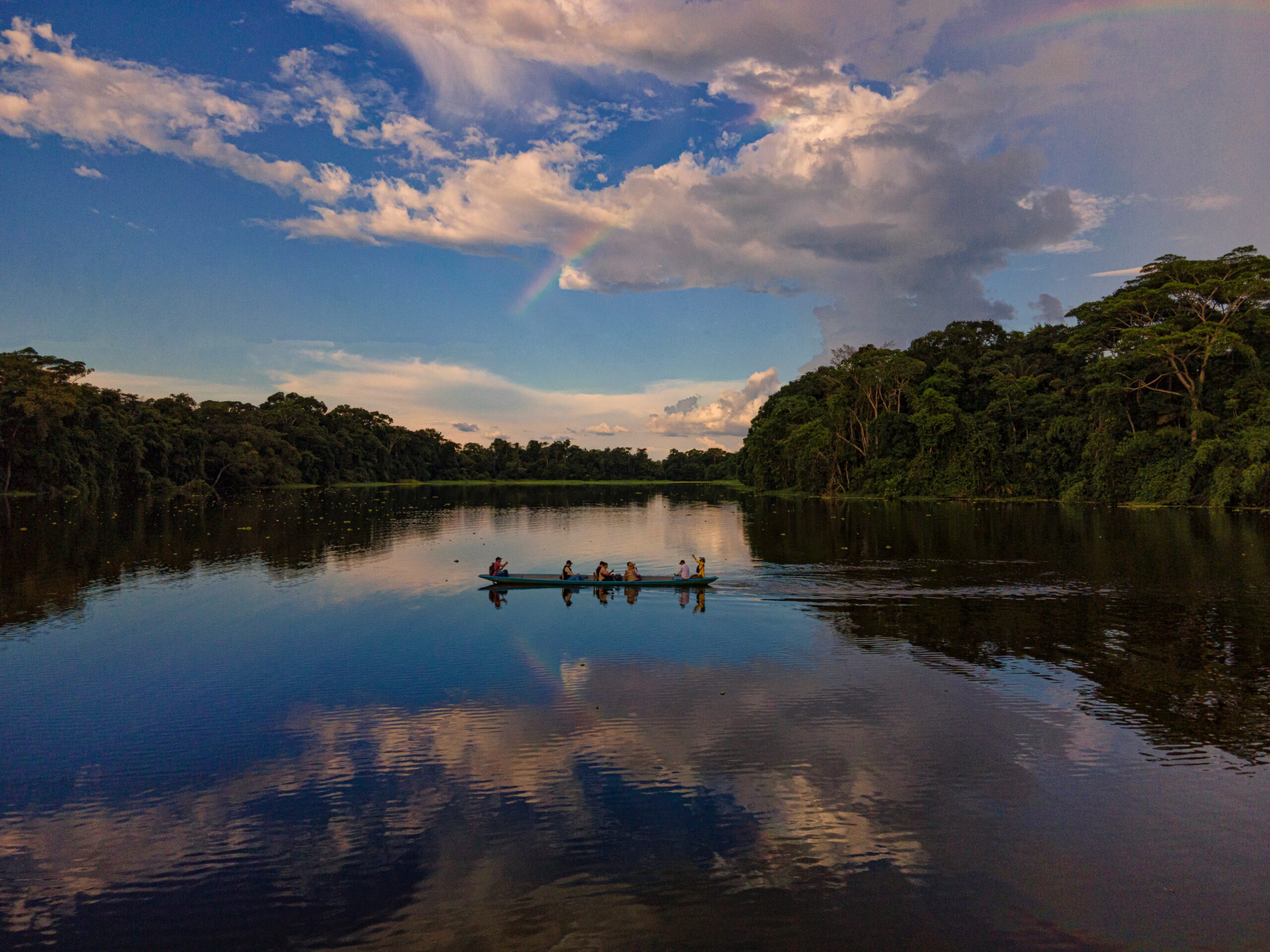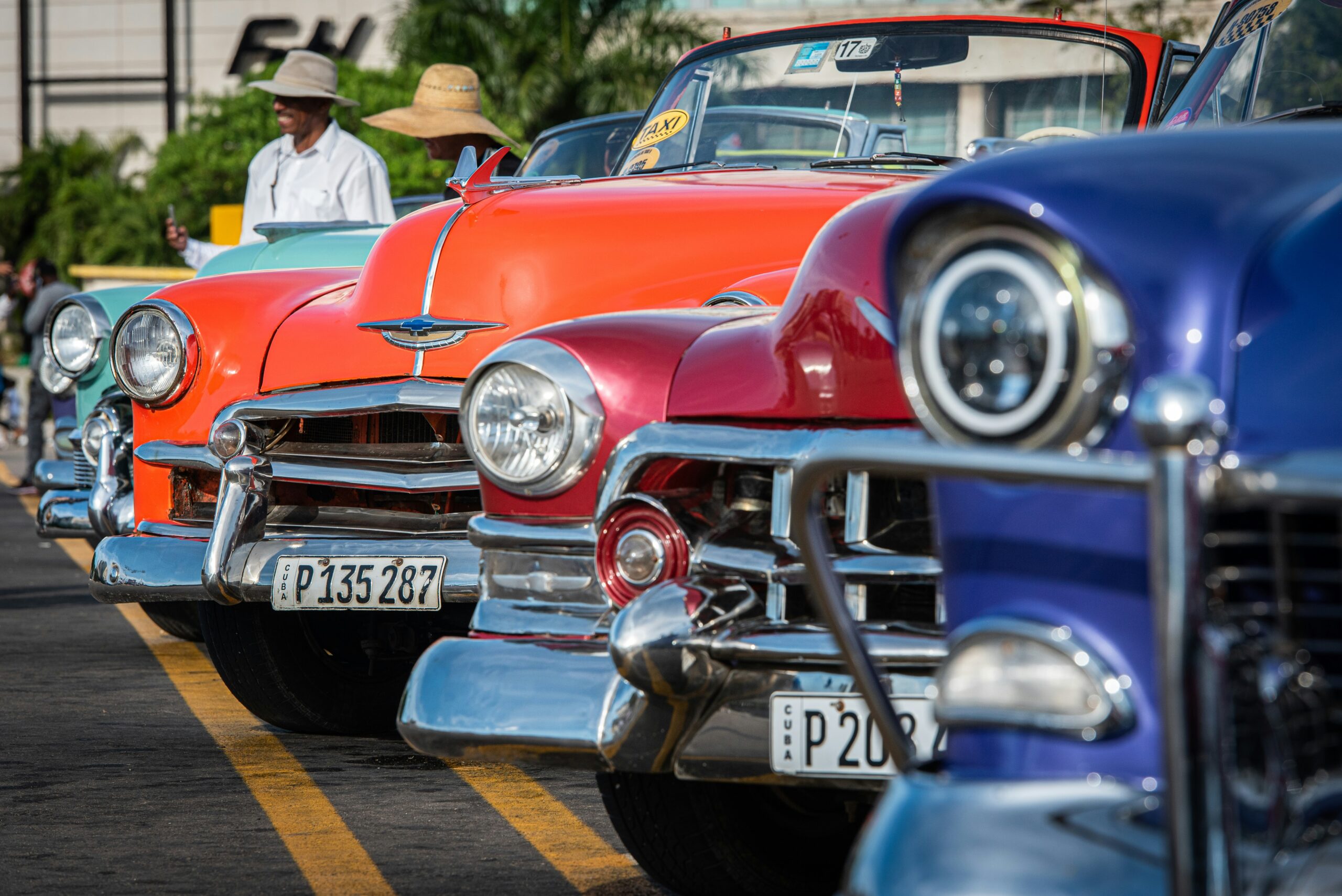
Cuba emerges from the Caribbean Sea like a precious emerald, an island nation that transcends ordinary description. This comprehensive guide to visiting Cuba unveils the secrets of planning your perfect Cuban adventure. Here, where pastel-painted colonial edifices stand sentinel beside the thunderous roar of chrome-adorned 1950s Chevrolets, where the intoxicating rhythms of rumba and son music cascade through cobblestone streets like liquid poetry, and where verdant mountains descend gracefully to kiss turquoise seas, time itself seems to dance to a different rhythm.
For generations, Cuba has bewitched travelers with its extraordinary amalgamation of cultural resilience, breathtaking natural splendor, and a profound sense of history preserved as if suspended in golden amber. This island nation, stretching approximately 750 miles (1,207 kilometers) from east to west and measuring roughly 60 miles (97 kilometers) at its widest point, offers an unparalleled journey through layers of civilization, revolution, and artistic expression.
This comprehensive Cuba travel guide will illuminate the island’s enchanting cities, pristine beaches, fertile valleys, and music-filled nights, revealing how to orchestrate an unforgettable Cuban vacation through the Caribbean’s most evocative and compelling destination.
Havana: The Pulsating Heart of Revolutionary Romance

Most Cuban odysseys commence in Havana, the island’s vibrant and utterly charismatic capital, where 2.1 million souls create a symphony of urban life unlike anywhere else on Earth. For first-time visitors to Cuba, Havana offers an intoxicating introduction to the island’s magnificent contradictions. Spanish colonial architecture displaying various states of baroque splendor and weathered dignity, brilliantly painted vintage American automobiles gliding down the legendary Malecón, and the eternal music echoing from every café, plaza, and hidden courtyard.
Old Havana, or Habana Vieja, represents the spiritual essence of the city, a UNESCO World Heritage Site where baroque churches, colonial fortresses, and atmospheric plazas invite contemplative wandering. The Plaza de la Catedral, dominated by its asymmetrical cathedral facade, creates an architectural dialogue between the sacred and secular, while Plaza Vieja enchants visitors with its grand mansions and meticulously restored arcades that whisper tales of sugar barons and Spanish grandees.
The majestic El Capitolio, once the seat of governmental power, displays neoclassical grandeur that rivals its Washington counterpart, while nearby Obispo Street pulses as a vibrant pedestrian thoroughfare where shops, bars, and street musicians create an impromptu festival atmosphere throughout the day.
As twilight paints the sky in brilliant oranges and purples, join the locals along the Malecón, that sweeping 5-mile (8-kilometer) seaside boulevard where Habaneros gather to fish, play guitar, engage in philosophical discussions, or simply observe the hypnotic waves crashing against the ancient seawall. This historic promenade, built between 1901 and 1952, serves as Havana’s living room, where romance blooms and friendships flourish beneath the Caribbean stars.
Havana’s nightlife transcends mere entertainment to become cultural immersion. Legendary salsa clubs like Casa de la Música transform into temples of dance, while intimate jazz establishments such as La Zorra y el Cuervo showcase Cuba’s sophisticated musical heritage. The Buena Vista Social Club-inspired performances in atmospheric bars and glamorous cabarets create unforgettable evenings where music becomes the universal language.
No Havana experience concludes without savoring a perfectly crafted mojito at La Bodeguita del Medio or a classic daiquiri at El Floridita, both legendary establishments that once hosted Ernest Hemingway during his two-decade love affair with the island.
Viñales: Valleys of Emerald Dreams and Tobacco Gold

Approximately 110 miles (177 kilometers) west of Havana lies Viñales, a serene valley that embodies Cuba’s agricultural soul. This UNESCO-listed cultural landscape showcases dramatic limestone mogotes, those distinctive dome-shaped hills that rise majestically from an emerald sea of tobacco farms like ancient sentinels guarding nature’s secrets.
The valley’s extraordinary beauty unfolds through horseback expeditions or leisurely bicycle tours, meandering through lush fields where tobacco farmers continue ancestral traditions, hand-rolling cigars in rustic drying barns called secaderos. These family-operated farms, some maintained by the same bloodlines for six generations, offer intimate glimpses into Cuba’s most celebrated agricultural art form.
Viñales town itself exudes tranquil charm, with colorful colonial houses transformed into welcoming casa particulares, those uniquely Cuban guesthouses that provide authentic cultural immersion. Evening brings infectious energy to the main street, where family-run restaurants serve traditional cuisine while salsa music creates spontaneous dance floors under star-filled skies.
The surrounding landscape offers underground adventures through caves like Cueva del Indio, where visitors navigate subterranean rivers by boat, discovering cathedral-like chambers adorned with stalactites and stalagmites. The controversial Mural de la Prehistoria, a massive 394-foot by 180-foot (120-meter by 55-meter) mural painted on a limestone cliff depicting evolution, provides a colorful if debated artistic landmark.
Trinidad: A Colonial Jewel Frozen in Amber
Trinidad represents Cuba’s most exquisitely preserved colonial treasure, a living museum where cobblestone streets, pastel houses crowned with terracotta roofs, and ornate iron grilles transport visitors directly into the 18th century, when sugar wealth flowed through the town like liquid gold.
The magnificent Plaza Mayor serves as the architectural heart, framed by museums and the elegant Iglesia Parroquial de la Santísima Trinidad. Ascending the bell tower of the nearby Museo Nacional de la Lucha Contra Bandidos rewards visitors with panoramic vistas across the town’s terracotta rooftops toward the shimmering Caribbean horizon.
Trinidad’s nocturnal transformation proves magical, as the town pulses with infectious musical energy. Locals and travelers converge on the steps of Casa de la Música for open-air salsa concerts beneath celestial canopies, while dance classes welcome even hesitant beginners into Trinidad’s embracing social culture.
For coastal respite, the pristine Playa Ancón stretches just 9 miles (15 kilometers) away, offering powdery white sand and crystalline waters perfect for swimming, snorkeling, or simply relaxing beneath traditional palapas while savoring cold Cuban beer and fresh seafood.
Cienfuegos: The Pearl of Southern Sophistication
Often overlooked by hurried itineraries, Cienfuegos reveals Cuba’s more refined architectural character. Founded by French immigrants in 1819, this graceful city displays distinctive neoclassical elegance, earning its poetic nickname “La Perla del Sur” or the Pearl of the South.
The expansive Parque José Martí anchors the city center, surrounded by handsome colonial buildings including the elegant Tomás Terry Theater, where Italian opera once entertained sugar aristocrats. The Punta Gorda peninsula showcases grand villas from Cuba’s early 20th-century sugar boom, now sensitively converted into restaurants and guesthouses overlooking the tranquil bay.
Cienfuegos provides perfect respite between Havana and Trinidad, offering quieter, less commercialized Cuban culture alongside easy access to natural wonders in Jagua Bay and exceptional diving opportunities in nearby coral reefs.
Santiago de Cuba: Cradle of Revolution and Musical Innovation
Cuba’s second city, Santiago de Cuba, pulses with unmistakable Afro-Caribbean spirit, revolutionary history, and fierce local pride. Founded in 1515, this eastern metropolis birthed son music, which evolved into international salsa, while serving as the cradle of Cuba’s independence movements.
The social heart beats within Parque Céspedes, surrounded by colonial buildings and the magnificent Catedral de Nuestra Señora de la Asunción. The historic Moncada Barracks, now a compelling museum, details the 1953 revolutionary beginnings led by Fidel Castro, marking the opening chapter of Cuba’s transformation.
Music permeates Santiago’s very atmosphere: trovas (ballads), congas (street parades), and traditional son blend seamlessly in bars, clubs, and spontaneous festivals. The legendary Casa de la Trova provides essential cultural education through live performances by Cuba’s most accomplished musicians.
The imposing Castillo del Morro, a 17th-century fortress commanding the Caribbean Sea, offers spectacular views while illustrating Cuba’s colonial defensive strategies against pirates and foreign invasions.
Cuba’s Beaches: Caribbean Paradise Perfected
Cuba’s coastline extends over 3,500 miles (5,633 kilometers), creating endless opportunities for beach perfection.
Varadero, stretching more than 12 miles (20 kilometers) of sugar-white sand and turquoise waters, represents Cuba’s premier resort destination. Despite its touristic development, the natural beauty remains undeniably spectacular, offering everything from luxury all-inclusive resorts to intimate boutique casa particulares.
The Cayos archipelago provides quieter alternatives through tiny offshore islands connected by causeways to the mainland. Cayo Santa María, Cayo Coco, and Cayo Guillermo feature pristine beaches, vibrant coral reefs, and a significantly more relaxed pace away from crowds.
Authenticity seekers gravitate toward Playa Girón on the Bay of Pigs, combining excellent snorkeling with profound historical significance, or Playa Larga, another peaceful base for exploring the Zapata Peninsula’s wildlife-rich wetlands.
Nature and Adventure in Cuba’s Diverse Landscapes
Beyond colonial cities and beaches, Cuba’s landscapes display remarkable diversity and adventure potential.
Western reserves like Soroa and Las Terrazas offer forest sanctuaries with cascading waterfalls, hiking trails, and exceptional birdwatching opportunities, including glimpses of Cuba’s endemic tocororo, the brilliantly colored national bird.
Eastern Baracoa, Cuba’s oldest settlement, creates a rainforest wonderland framed by the distinctive table-top mountain El Yunque. This region of coconut plantations, cacao farms, and pristine rivers remains relatively untouched by mass tourism, preserving its authentic character.
Adventure enthusiasts can tackle Pico Turquino, Cuba’s highest peak at 6,476 feet (1,974 meters), within the Sierra Maestra mountains, combining challenging treks with incredible Caribbean coastal views.
Cuban Cuisine: Flavors of Cultural Fusion
Cuba’s culinary landscape celebrates resourcefulness and fusion, shaped by Spanish, African, and Caribbean influences into distinctive island flavors.
The island’s most celebrated dish, ropa vieja, features tender shredded beef in rich tomato sauce with peppers and aromatic spices, typically served with rice and sweet plantains. Lechón asado, slow-roasted pork prepared in traditional pig roasts, becomes the centerpiece of festivals and family celebrations.
Black beans and rice, known collectively as congrí or moros y cristianos, form Cuban culinary foundations, alongside yuca with garlic mojo and fresh seafood preparations along coastal regions.
Private restaurants, called paladares, have revolutionized Cuban dining, serving inventive interpretations of traditional fare with fresh ingredients and international influences. Havana and Trinidad particularly excel in creative paladares that embrace farm-to-table principles while honoring local flavors.
Music, Dance, and Cultural Expression

Cuba exists in perpetual rhythm, where rumba, son, salsa, mambo, and cha-cha-chá flow through daily life rather than remaining museum artifacts.
Havana pulses with live music throughout every neighborhood, from polished stage productions to spontaneous street jam sessions. Dance schools and music clubs welcome visitors to learn fundamental steps or simply absorb the infectious energy.
Cuba’s festivals provide cultural immersion opportunities. The Carnaval de Santiago de Cuba, typically held in July, explodes with color, elaborate costumes, and thunderous drumming street parades. December’s International Jazz Festival in Havana attracts world-class performers, while smaller local festivals celebrate everything from handmade cigars to traditional fishing heritage.
Responsible Travel and Practical Considerations
Cuba’s tourism infrastructure continues evolving, though challenges remain with connectivity and supply chains. Essential travel tips include:
Currency: As of 2024, Cuba operates on the Cuban Peso (CUP) for most transactions. Foreign credit and debit cards function inconsistently, so bring euros or Canadian dollars in cash for exchange, avoiding US dollars which incur additional fees.
Internet Access: Wi-Fi availability exists in major hotels and public hotspots but speeds remain limited. Purchase ETECSA internet cards from designated kiosks.
Transportation: Viazul buses provide reliable long-distance service with comfortable, air-conditioned coaches. Classic taxis abound in cities, while car rental remains expensive with limited availability.
Language: Spanish serves as the national language; English appears in tourist areas but less frequently in rural regions.
Safety: Cuba maintains exceptional safety for travelers with minimal violent crime, though petty theft occasionally occurs in crowded areas.
Health: No special vaccinations beyond routine immunizations are required, but comprehensive travel insurance with medical coverage is recommended. Tap water requires caution; bottled water ensures safety.
When to Visit Cuba: Timing Your Perfect Journey
Cuba’s tropical climate divides into distinct seasons, each offering unique advantages for travelers:
Dry Season (November-April): Ideal weather conditions with reduced humidity and comfortable temperatures ranging from 70-80°F (21-27°C); peak travel period with higher prices.
Wet Season (May-October): Increased heat and humidity with afternoon showers and occasional hurricanes, but featuring fewer crowds and reduced prices.
Final Reflections: Cuba’s Eternal Enchantment
Cuba transcends ordinary destination categories to become a transformative experience of contrasts and resilience. This extraordinary island, where crumbling colonial elegance coexists with vibrant salsa energy, where farmers continue hand-rolling cigars as vintage Buicks cruise past, and where genuine warmth welcomes visitors despite decades of challenge, creates indelible memories.
Whether drawn by the music, the history, the world-renowned cigars, or simply the desire to experience a corner of the world unhurried by modern acceleration, Cuba leaves every visitor fundamentally changed. Its colors, rhythms, and human stories penetrate deep into the traveler’s consciousness, creating connections that transcend geography and time.
Pack your dancing shoes, bring boundless curiosity, and prepare for surprise at every turn. Cuba, the Caribbean’s most fascinating and complex island, awaits to share its magnificent soul with those ready to embrace its magic.