Introduction: Why South Africa Is One of the Best Safari Destinations
Few destinations rival South Africa when it comes to the safari experience. A South African safari offers an exceptional blend of accessibility, biodiversity, and comfort that sets it apart on the continent. From lush savannahs to arid deserts, the country shelters one of the world’s richest wildlife populations alongside an unmatched range of safari experiences. Whether you’re drawn to self-drive adventures through vast national parks or secluded luxury lodges in private reserves, South Africa delivers on every front.
The country’s malaria-free regions make it particularly appealing to families and first-time visitors. With seamless flight connections and accommodation spanning from refined comfort to world-class opulence, planning your journey is remarkably straightforward. Most all-inclusive lodges bundle meals, guided drives, and transfers into a single rate, removing the complexity from your planning. This means you can focus entirely on what matters: experiencing the Big Five (lion, leopard, elephant, buffalo, and rhinoceros) in their natural habitat.
Kruger National Park & Private Reserves: The Safari Epicenter

At about 19,500 square kilometers (7,500 square miles), Kruger National Park forms the cornerstone of South Africa’s safari reputation. It shelters around 150 mammal species (the greatest diversity of any African reserve) and over 500 bird species. The excellent road network and proximity to major cities like Johannesburg and Pretoria make it ideal for both guided tours and self-drive visitors.
Surrounding Kruger is a constellation of private reserves that collectively form the Greater Kruger ecosystem. Sabi Sands, Timbavati, Manyeleti, and Klaserie have removed the fences between their lands and the national park, allowing wildlife to roam freely across this massive conservation area. These private reserves offer something Kruger’s public areas cannot: off-road tracking and night drives that bring you closer to the wilderness.
Each reserve carries its own character. Sabi Sands has earned legendary status for close-up leopard encounters. Timbavati feels wilder and less trafficked. Klaserie offers a serene, family-run atmosphere that appeals to those seeking intimacy over crowds. Lodges such as Londolozi and Singita (a luxury brand operating several properties within Sabi Sands and other Kruger concessions) exemplify ultra-luxury hospitality, weaving impeccable service with cutting-edge conservation practices.
Pricing naturally reflects this spectrum of experiences. High-end lodges typically range from US $1,200 to $2,000 per person per night, all-inclusive. Refined mid-tier options in the same ecosystem begin around US $300 to $600. These packages generally cover accommodation, meals, twice-daily game drives, and often transfers, eliminating hidden costs and logistical headaches.
Eastern Cape & Madikwe: Malaria-Free and Family-Friendly

Travelers seeking peace of mind without antimalarial medication can explore South Africa’s malaria-free safari zones. These areas deliver the full Big Five experience without health concerns, making them particularly attractive to families and those with medical considerations.

Madikwe Game Reserve, bordering Botswana and spanning about 680 square kilometers (260 square miles), celebrates both its successful reintroduction of the African wild dog and its community-based conservation model. Luxury lodges like Madikwe Hills and Jaci’s Safari Lodge deliver exceptional wildlife encounters in pristine settings. Rates typically start around US $300 to $700 per night, inclusive of meals and guided drives.
In the Eastern Cape, Addo Elephant National Park stands out with its population of around 700 to 800 elephants. Neighboring private concessions such as Shamwari and Amakhala provide more intimate experiences, often combined with coastal excursions or cultural encounters. The region’s malaria-free status and family-friendly lodges make it particularly strong for multigenerational travel.
Kgalagadi Transfrontier Park: A Desert Safari Like No Other

Straddling the South Africa-Botswana border, the Kgalagadi Transfrontier Park reveals a strikingly different wilderness. Established in 2000 as one of Africa’s first cross-border conservation areas, this park spans 38,000 square kilometers (14,670 square miles), roughly a quarter of which lies in South Africa. The expanse of red dunes, camel-thorn trees, and salt pans creates an otherworldly landscape.
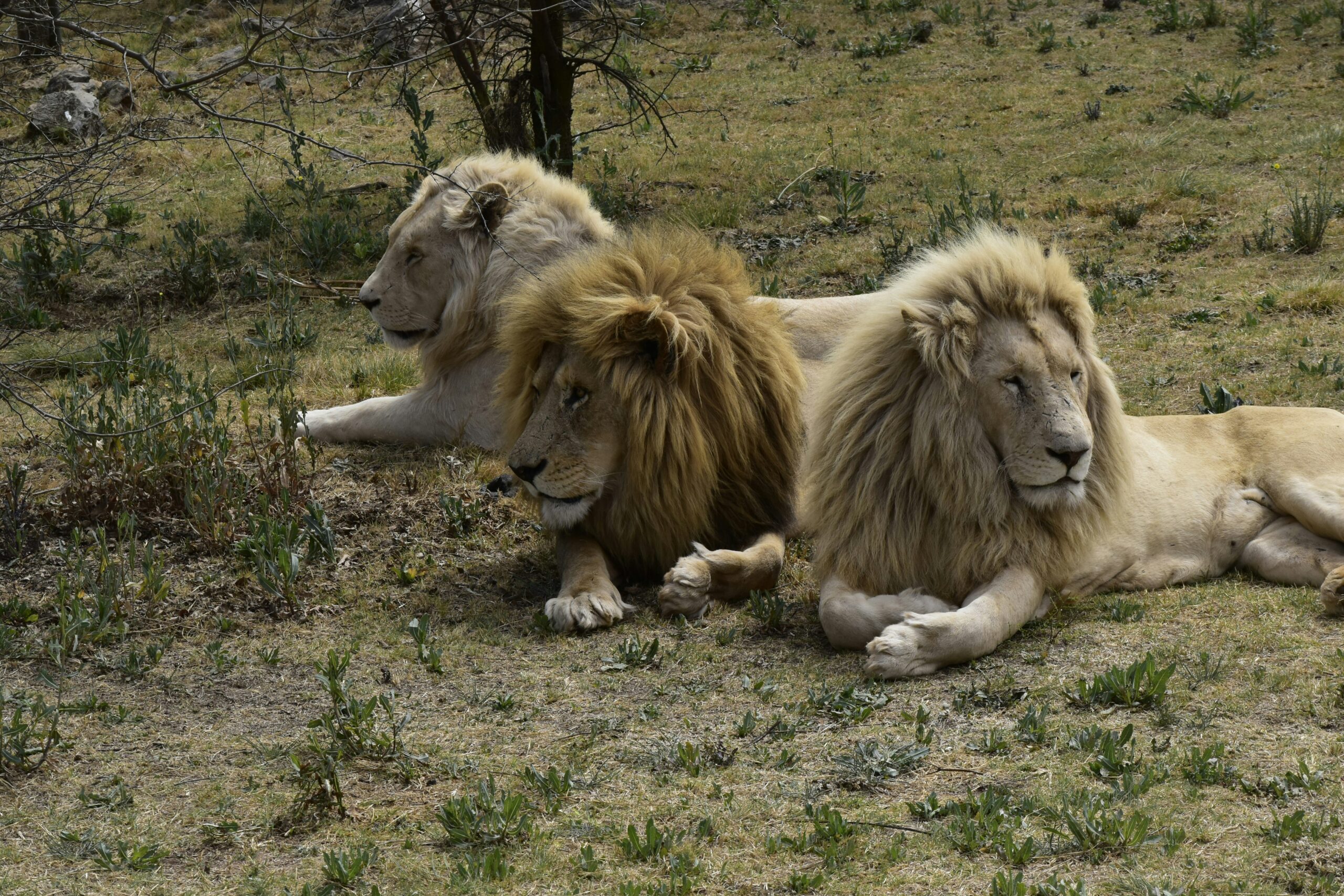
Here you trade dense bush for vast horizons and dramatic light. Springbok, gemsbok, cheetahs, and the famous black-maned Kalahari lions roam these spaces. Photographers prize the park for its open vistas and extraordinary quality of light.
Accommodation ranges from SANParks rest camps such as Twee Rivieren and Nossob to remote lodges like !Xaus Lodge, where guided desert walks and night safaris reveal the Kalahari’s secrets. The experience centers on solitude, silence, and raw natural beauty. It’s a perfect counterpoint to Kruger’s lush abundance.
Beyond the Big Five: Conservation and Specialized Safaris
A South African safari experience extends far beyond wildlife sightings. Many lodges weave community projects and anti-poaching initiatives into their operations, inviting guests to participate in meaningful conservation work. Madikwe’s community-owned lodges and conservation model exemplify this approach, serving as an inspiring template for similar initiatives across the continent.
Guided walking safaris reveal the intricate web of life often missed from a vehicle. Animal tracks, medicinal plants, and bird calls define the ecosystem’s rhythm. Night drives uncover nocturnal species such as civets, genets, and bush babies. Photographic safaris pair travelers with expert guides who position vehicles for ideal shots while providing professional insights into animal behavior and habitat.
These immersive approaches transform the journey from passive sightseeing into genuine connection with the wilderness. You leave not just with photographs, but with a deeper understanding of how these ecosystems function.
When to Go & Practical Travel Tips
The prime season for a South African safari runs from June to October, during the dry winter months when vegetation thins and animals cluster near waterholes. Days remain mild, nights turn crisp, and visibility reaches its peak. This timing delivers the most reliable wildlife sightings.
From November to March, the landscape transforms. The wet summer brings newborn wildlife, migratory birds, and fewer tourists. Photographers and repeat visitors often prefer this season for its lush backdrops and dramatic storm light, even if wildlife can be slightly harder to spot in the denser vegetation.
Travel logistics are straightforward. Airlink, South African Airways, and CemAir operate frequent flights linking Johannesburg and Cape Town to safari hubs such as Kruger Mpumalanga International (MQP) and Eastgate Airport (Hoedspruit). Many lodges include transfers or arrange private charters for effortless arrivals.
A popular itinerary combines a few days on safari with Cape Town’s cultural energy and the Cape Winelands’ culinary excellence. It’s an effortless blend of wilderness and world-class refinement, all within a single country.
Conclusion
South Africa’s combination of biodiversity, infrastructure, and world-class hospitality creates the continent’s most versatile safari destination. Whether tracking leopards in the Greater Kruger, watching elephants roam across Addo’s plains, or photographing lions on Kgalagadi’s red dunes, every experience reveals a different facet of the country’s wild heart.
From ultra-luxury retreats to family-friendly lodges, a South African safari delivers more than sightings. It creates connection between people, landscapes, and the timeless rhythm of Africa itself.