Planning your first trip to Japan? This comprehensive Japan travel guide covers everything you need to know about visiting Japan, from must-see destinations and cultural experiences to practical travel tips and budget planning. Whether you’re interested in Tokyo’s modern attractions, Kyoto’s traditional temples, or Hokkaido’s natural beauty, this guide will help you plan the perfect Japan itinerary.
Table of Contents
- Cultural Insights: Understanding Japanese Etiquette
- Best Places to Visit in Japan
- Getting Around Japan: Transportation Guide
- Japanese Food Guide: What to Eat
- Where to Stay in Japan
- Best Time to Visit Japan
- Japan Travel Tips: Language, Safety & Budget
- Hidden Gems and Off-the-Beaten-Path Destinations
- Frequently Asked Questions
Cultural Insights: Understanding Japanese Etiquette
Understanding Japanese culture is essential for any Japan travel experience. The country’s rich traditions and social customs create a unique environment that rewards respectful visitors with unforgettable experiences.
Respect and Etiquette in Japan
Politeness forms the foundation of Japanese society. A bow is the traditional greeting and shows respect, with deeper bows indicating greater respect. When visiting Japan, remember to remove shoes when entering homes, traditional restaurants, ryokans, and many temples and shrines. Always use both hands when giving or receiving items, especially during formal exchanges.
Additional etiquette tips for your Japan trip:
- Avoid pointing with a single finger; use your whole hand instead
- Never stick chopsticks upright in rice bowls (resembles funeral rituals)
- Keep public displays of affection minimal
- Maintain quiet, respectful behavior in public spaces
- Form orderly queues and wait your turn
Japanese Hospitality: Omotenashi
Omotenashi represents Japan’s philosophy of selfless hospitality that anticipates guests’ needs. This concept extends beyond customer service to encompass genuine care for others’ comfort and well-being. Even in busy cities, you’ll notice the serene efficiency of daily life and the collective responsibility for maintaining clean, harmonious public spaces.
The principle of “wa” (harmony) encourages group cohesion over individual expression. Visitors who embrace this mindset often find their Japan travel experience more authentic and rewarding.
Must-Do Cultural Experiences

Traditional Tea Ceremony: Participate in chanoyu or sado, the formal tea ceremony that reflects Japanese aesthetics and philosophy. Many temples and cultural centers offer tea ceremony experiences that provide insight into spiritual and aesthetic principles.
Temples and Shrines: Visit iconic sites like Kinkaku-ji (Golden Pavilion) in Kyoto or Meiji Shrine in Tokyo. Learn the difference between Buddhist temples and Shinto shrines, proper purification rituals, and prayer customs.
Japanese Festivals: Experience colorful matsuri featuring parades, traditional food, and performances. Notable festivals include Kyoto’s Gion Matsuri (July), Sapporo Snow Festival (February), and Tokushima’s Awa Odori (August).
Best Places to Visit in Japan
Tokyo: Japan’s Modern Capital

Tokyo, home to over 14 million people, seamlessly blends futuristic technology with ancient traditions, making it a must-visit destination for any Japan itinerary.
Top Tokyo Attractions:
Shibuya Crossing: Experience the world’s busiest pedestrian crossing where up to 3,000 people cross simultaneously. The surrounding area offers excellent shopping, dining, and the famous Hachiko statue.
Asakusa District: Home to Senso-ji Temple (founded 628 AD), Tokyo’s oldest temple. Stroll down Nakamise Shopping Street for traditional snacks and souvenirs in a nostalgic atmosphere.
Akihabara: The electronics and anime district featuring multi-story tech stores, manga cafes, and themed restaurants. This area represents the global center of otaku culture.
TeamLab Planets: Experience cutting-edge digital art installations that respond to movement, showcasing Japan’s innovation in interactive technology.
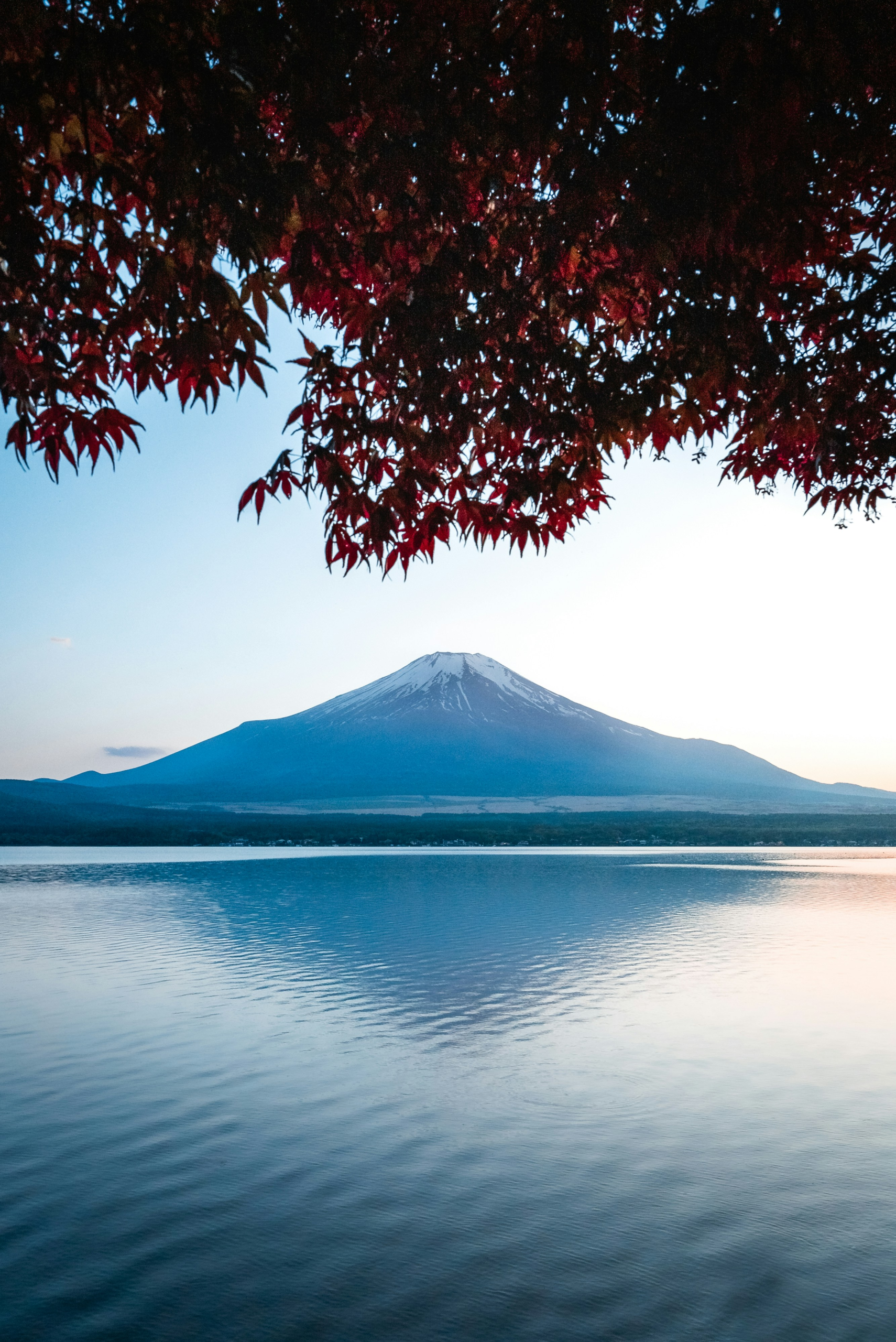
Tokyo Skytree: Ascend the world’s tallest tower for panoramic views extending to Mount Fuji on clear days.
Japan Travel Tip: Purchase a Suica or Pasmo IC card for convenient public transport and shopping at convenience stores and vending machines throughout Japan.
Kyoto: Japan’s Cultural Heart
Kyoto, the former imperial capital, preserves Japan’s traditional culture with over 1,600 temples, pristine gardens, and historic geisha districts.
Essential Kyoto Destinations:
Fushimi Inari Shrine: Walk through thousands of vermillion torii gates winding up the mountainside. These orange tunnels are particularly stunning at sunrise and sunset.
Arashiyama Bamboo Grove: Experience this natural bamboo cathedral where filtered sunlight creates an otherworldly atmosphere that has inspired artists for centuries.
Gion District: Spot geiko (Kyoto’s geisha) and maiko (apprentices) in traditional attire along stone-paved streets lined with preserved wooden architecture.

Kinkaku-ji (Golden Pavilion): Visit this iconic gold-covered temple surrounded by meticulously maintained gardens and reflecting pools.
Kyoto Travel Experience: Book a kaiseki dinner—a traditional multi-course meal showcasing seasonal ingredients and artistic presentation representing Japanese haute cuisine.
Osaka: Japan’s Kitchen
Osaka offers Japan’s best food scene with a laid-back atmosphere and friendly locals who embody the city’s merchant culture.
Osaka Highlights:
Dotonbori: The neon-lit entertainment district featuring street food, nightlife, and iconic mechanical signs including the famous Glico Running Man.
Osaka Castle: Explore this reconstructed symbol of samurai history offering insights into Japan’s feudal period and excellent city views.
Universal Studios Japan: Enjoy unique attractions including The Wizarding World of Harry Potter and anime-themed experiences.
Food Experiences: Try authentic takoyaki (octopus balls) and okonomiyaki (savory pancakes) from street vendors. Osaka’s casual dining culture encourages bold flavors and fun eating experiences.
Hokkaido: Nature and Winter Sports
Japan’s northernmost island offers pristine wilderness, world-class skiing, and exceptional seafood and dairy products.
Hokkaido Attractions:
Sapporo Snow Festival: February’s spectacular event featuring massive ice sculptures and snow statues that transform the city into a winter wonderland.
Niseko: International ski destination renowned for powder snow and facilities suitable for all skill levels.
Furano and Biei: Summer lavender fields and year-round rolling hills creating beautiful patchwork landscapes.
Hakodate: Historic port city blending European architecture with traditional Japanese markets, famous for Mount Hakodate’s stunning night views.
Hokkaido Cuisine: Indulge in fresh king crab, sea urchin, salmon, and dairy products including world-famous ice cream and cheese.
Getting Around Japan: Transportation Guide
Japan’s transportation system is among the world’s most efficient, punctual, and comprehensive, making travel between cities and within urban areas remarkably smooth.
Japan Rail Pass and Shinkansen

The JR Pass offers unlimited travel on most JR lines, including Shinkansen bullet trains reaching speeds of 320 km/h (200 mph). This pass represents significant savings for travelers visiting multiple cities and must be purchased before arriving in Japan.
JR Pass Options:
- 7-day pass: Ideal for short trips covering 2-3 cities
- 14-day pass: Perfect for comprehensive Japan itineraries
- 21-day pass: Best for extensive exploration including remote areas
IC Cards and Local Transport
Suica, Pasmo (Tokyo area), and Icoca (Osaka/Kyoto area) are rechargeable cards used for trains, subways, buses, and purchases at convenience stores. These cards work across most of Japan’s public transportation networks.
Navigation Apps: Google Maps, HyperDia, and NAVITIME provide English-language route planning and real-time updates for Japan’s complex transit systems.
Japanese Food Guide: What to Eat
Japanese cuisine extends far beyond sushi and ramen, offering diverse flavors and cooking techniques that reflect regional specialties and seasonal ingredients.
Must-Try Japanese Dishes
Sushi and Sashimi: Fresh fish prepared by skilled chefs, best enjoyed at sushi counters where you can interact with masters of their craft.
Regional Ramen Varieties:
- Hokkaido: Rich miso-based broths
- Kyushu: Creamy tonkotsu (pork bone) ramen
- Tokyo: Clear shoyu (soy sauce) based varieties
Tempura: Lightly battered and perfectly fried seasonal vegetables and seafood, showcasing Japanese mastery of frying techniques.
Kaiseki: Multi-course haute cuisine representing the pinnacle of Japanese culinary art with seasonal ingredients and artistic presentation.
Street Food: Yakitori (grilled chicken skewers), taiyaki (fish-shaped pastries), and mochi (rice cakes) in countless varieties.
Japanese Dining Etiquette
- Say “Itadakimasu” before eating (expressing gratitude)
- Say “Gochisousama deshita” after finishing (thanking meal preparers)
- Tipping is unnecessary and may be considered rude
- Slurping ramen shows appreciation and helps cool hot broth
Where to Stay in Japan
Japan offers diverse accommodation options catering to different budgets, preferences, and cultural interests.
Traditional Japanese Accommodations
Ryokan: Traditional inns featuring tatami mat rooms, futon bedding, and often natural hot springs (onsen). Many include kaiseki meals and provide complete cultural immersion experiences.
Temple Stays: Overnight experiences at Buddhist temples, particularly popular at Koya-san, offering vegetarian cuisine and spiritual activities.
Modern Japanese Hotels
Business Hotels: Efficient, comfortable accommodations perfect for urban stays, prioritizing cleanliness and convenience with compact, well-designed rooms.
Capsule Hotels: Unique space-efficient accommodations that have evolved into stylish experiences with high-tech amenities and social spaces.
Minpaku: Homestay experiences allowing cultural exchange with local families while exploring residential neighborhoods.
Best Time to Visit Japan
Japan’s four distinct seasons each offer unique experiences and natural beauty celebrated in art and literature.
Spring (March-May): Cherry Blossom Season
Peak travel time featuring sakura blooms and hanami (flower viewing) celebrations. Tokyo, Kyoto, and Kanazawa offer spectacular cherry blossom viewing, though crowds and prices are highest.
Summer (June-August): Festivals and Mountains
Hot and humid in cities but perfect for mountain hiking and summer festivals. Experience fireworks displays and traditional matsuri throughout the country.
Autumn (September-November): Fall Foliage
Stunning autumn colors rival spring’s cherry blossoms. Kyoto, Nikko, and the Japanese Alps offer breathtaking foliage displays with fewer crowds than spring.
Winter (December-February): Snow and Illuminations
Ideal for skiing in Hokkaido and the Japanese Alps. Cities feature beautiful illumination displays, and onsen (hot springs) provide perfect winter relaxation.
Travel Planning Note: Avoid Golden Week (late April-early May) when domestic travel creates crowded conditions but vibrant festival atmospheres.
Japan Travel Tips: Language, Safety & Budget
Language and Communication
English signage is common in major cities and tourist areas, but conversational English may be limited. Essential phrases include:
- “Arigatou gozaimasu” (thank you)
- “Sumimasen” (excuse me/sorry)
- “Eigo ga hanasemasu ka?” (Do you speak English?)
Translation Apps: Google Translate with camera function helps read signs and menus in real-time.
Safety in Japan
Japan consistently ranks among the world’s safest countries. Solo travelers and families can explore confidently, even in major cities at night. Crime rates are extremely low, and lost items are frequently returned to their owners.
Japan Travel Budget
Budget Travel: $50-$100/day
- Hostels or capsule hotels
- Convenience store meals
- Public transportation
Mid-Range Travel: $100-$250/day
- Business hotels or budget ryokan
- Restaurant meals
- JR Pass and local transport
Luxury Travel: $300+/day
- High-end hotels and ryokan
- Fine dining experiences
- Private tours and transport
Connectivity and Technology
Internet Access: Rent pocket Wi-Fi devices or purchase SIM cards at airports. Pocket Wi-Fi is ideal for groups and provides reliable internet access throughout Japan.
Essential Apps: Google Maps, Google Translate, HyperDia for train schedules, and local transportation apps enhance travel convenience.
Hidden Gems and Off-the-Beaten-Path Destinations
Beyond famous cities, Japan offers authentic experiences in lesser-known destinations that reveal the country’s diverse cultural and natural beauty.
Underrated Japanese Destinations
Nara: Ancient capital featuring free-roaming deer and Todai-ji Temple’s giant Buddha statue. Less crowded than Kyoto but equally historic and significant.
Kanazawa: Historic samurai and geisha districts plus Kenroku-en, one of Japan’s three most beautiful gardens. Famous for gold leaf production and exceptional seafood.
Takayama: Preserved Edo-period mountain town with traditional markets, sake breweries, and authentic ryokan experiences away from tourist crowds.
Naoshima: Art island featuring contemporary museums and installations that blend art with natural landscapes, creating a unique cultural destination.
Koya-san: Sacred Buddhist monastic town offering overnight temple stays, vegetarian cuisine, and spiritual experiences in mountain settings.
Frequently Asked Questions
When is the best time to visit Japan? Spring (March-May) and autumn (September-November) offer the most pleasant weather and natural beauty, though summer provides festival experiences and winter enables excellent skiing and hot spring relaxation.
How much does a trip to Japan cost? Budget travelers can explore Japan for $50-$100 daily, while mid-range travelers should budget $100-$250 daily. Luxury experiences start around $300+ per day.
Do I need to speak Japanese to travel in Japan? While helpful, Japanese language skills aren’t essential. Major cities have English signage, and translation apps assist with communication. Learning basic phrases enhances experiences significantly.
Is Japan safe for solo travelers? Japan is extremely safe for solo travelers, including women traveling alone. Crime rates are very low, and locals are generally helpful to visitors needing assistance.
What should I pack for Japan? Pack comfortable walking shoes, appropriate clothing for the season, a portable phone charger, and cash (Japan remains largely cash-based). Consider bringing a small towel as many public restrooms don’t provide them.
How do I get from the airport to city centers? Both Narita and Haneda airports offer multiple transport options including express trains, buses, and taxis. Airport express trains provide the fastest connections to Tokyo, while the Kansai Airport connects efficiently to Osaka and Kyoto.
This comprehensive Japan travel guide provides the foundation for planning an unforgettable trip to Japan. Whether you’re interested in cultural experiences, natural beauty, modern technology, or traditional arts, Japan offers diverse experiences that create lasting memories for every type of traveler.